
Enclosure
Stations: V-0 polymer or steel, IP21 to IP54. Mobile storage: IP54 steel enclosure, C4 anticorrosion, air-conditioned.
Quality and traceability
Stable chemistry, marked cells, inspection at every stage, a serial number on every unit, documents delivered.
The whole range uses LiFePO4 cells. Compared with the NMC / NCA chemistries of consumer and automotive batteries, iron phosphate is the most stable lithium chemistry: the phosphorus-oxygen bond does not release oxygen when heated, which removes the main driver of thermal runaway.
| Criterion | LiFePO4 (NV) | NMC / NCA |
|---|---|---|
| Thermal runaway temperature | ≈ 270 °C | 150 to 200 °C |
| Oxygen release on failure | No | Yes |
| Cobalt | None | Yes |
| Cycle life | 3,000 to 6,000 cycles | 800 to 1,500 cycles |
| Nominal voltage per cell | 3.2 V | 3.6 to 3.7 V |
Portable stations: grade A cylindrical LiFePO4 cells from major qualified manufacturers; each cell is marked and traced by batch.
Mobile storage: latest-generation prismatic LiFePO4 cells, in identical modules, laser-welded and liquid-cooled.
Stations: V-0 polymer or steel, IP21 to IP54. Mobile storage: IP54 steel enclosure, C4 anticorrosion, air-conditioned.
Mobile storage: built-in aerosol fire suppression, safety valve and manual disconnector on each module.
Pure sine wave, one breaker per outlet, earth terminal; 30 mA RCD distribution box downstream (Type B on the NV-M).
UN 38.3 tests (altitude, thermal, vibration, shock, short circuit, crush, overcharge) passed on every model.
On failure. A failing LiFePO4 cell vents without open flame in the vast majority of cases; the BMS isolates the battery, and on mobile storage the affected module is separated by its disconnector. Storage, intervention and end-of-life instructions in each product's manual.
From the serial number to the cell
Every station, every extension battery and, on mobile storage, every module carries a unique serial number on a label with a QR code. This number links the unit to its cell batch, its end-of-line test sheet and its compliance documents. It appears on the delivery note, the invoice and the warranty certificate.
| Level | Marking | Where |
|---|---|---|
| Station / unit | NV reference, serial number, QR, voltage, capacity, power, date | Rating plate on the housing (rear or side) |
| Extension battery | Reference, serial number, QR, capacity | Plate on the module |
| Battery module (NV-M / NV-C) | Model, voltage, capacity, energy, mass, traceability QR | Front of the module |
| Cell | Model, capacity, voltage, energy, date of manufacture | Printed on each cell |
| Carton | Reference, serial number, UN 3480 / 3481, class 9, mass | Label and dangerous goods marking |
Fleet register. For a fleet of several units, NV Power Station keeps a register up to date (serial number, delivery date, site, interventions, warranty status) and sends it to the customer on request, as a spreadsheet.
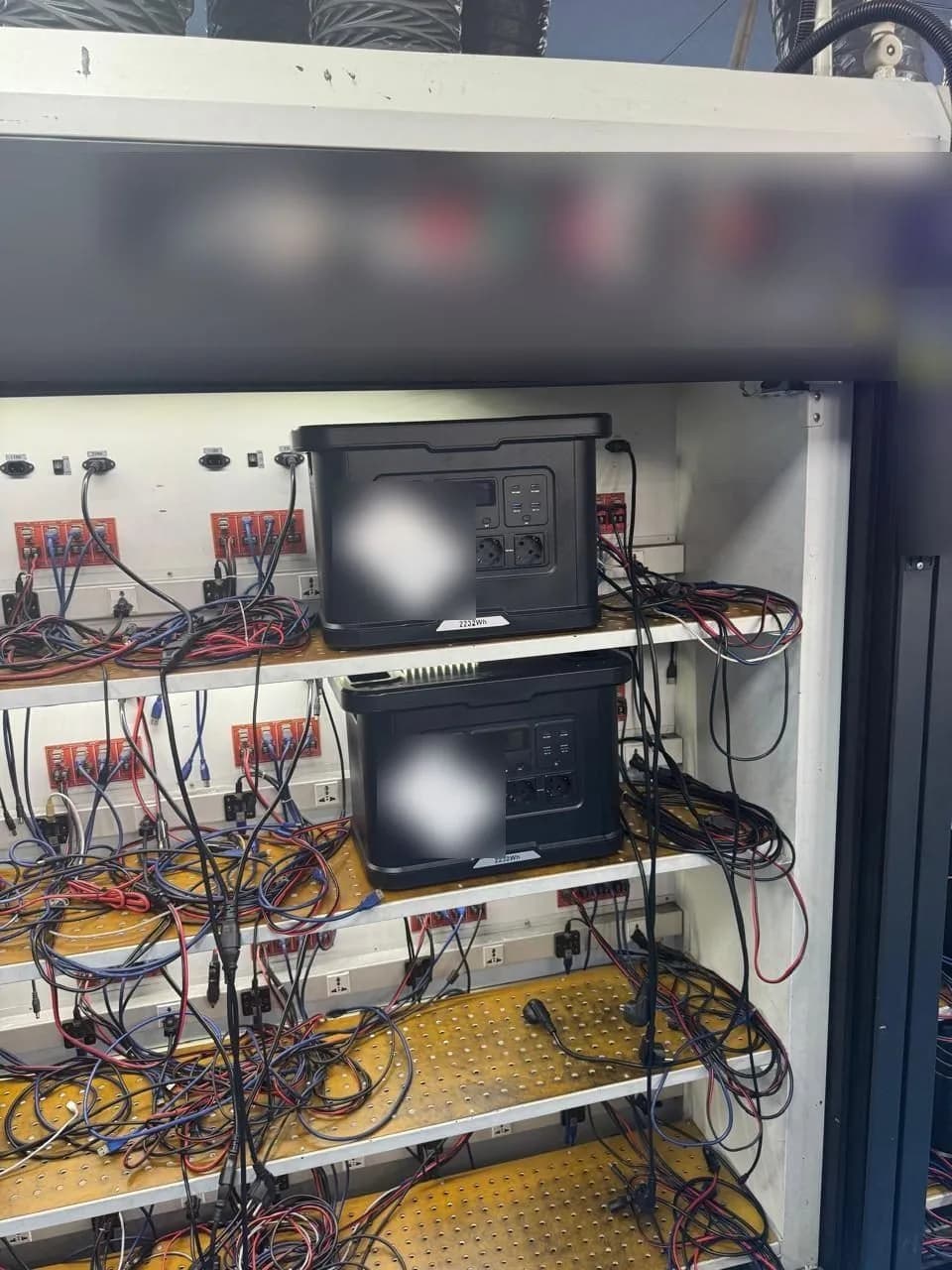
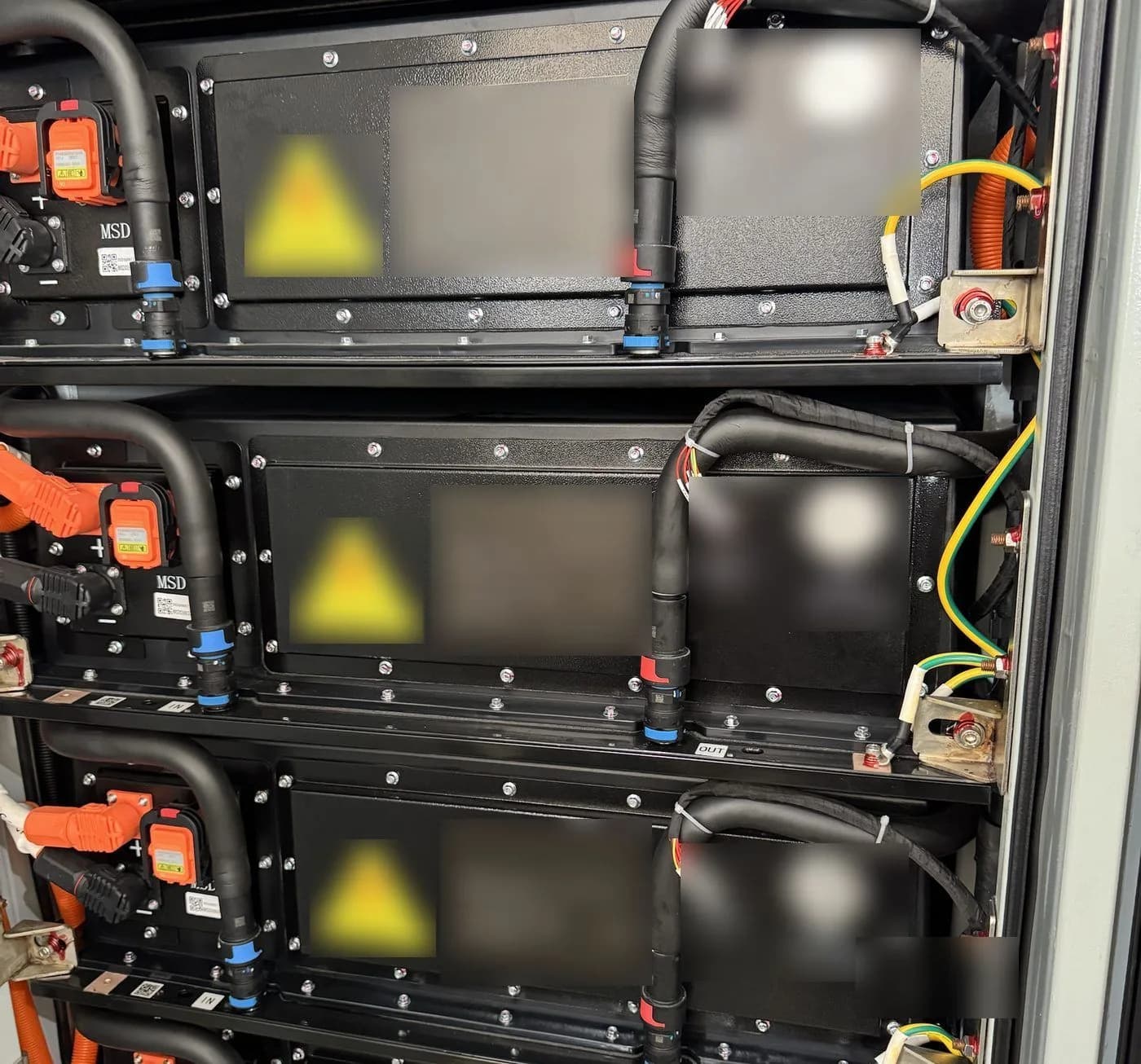
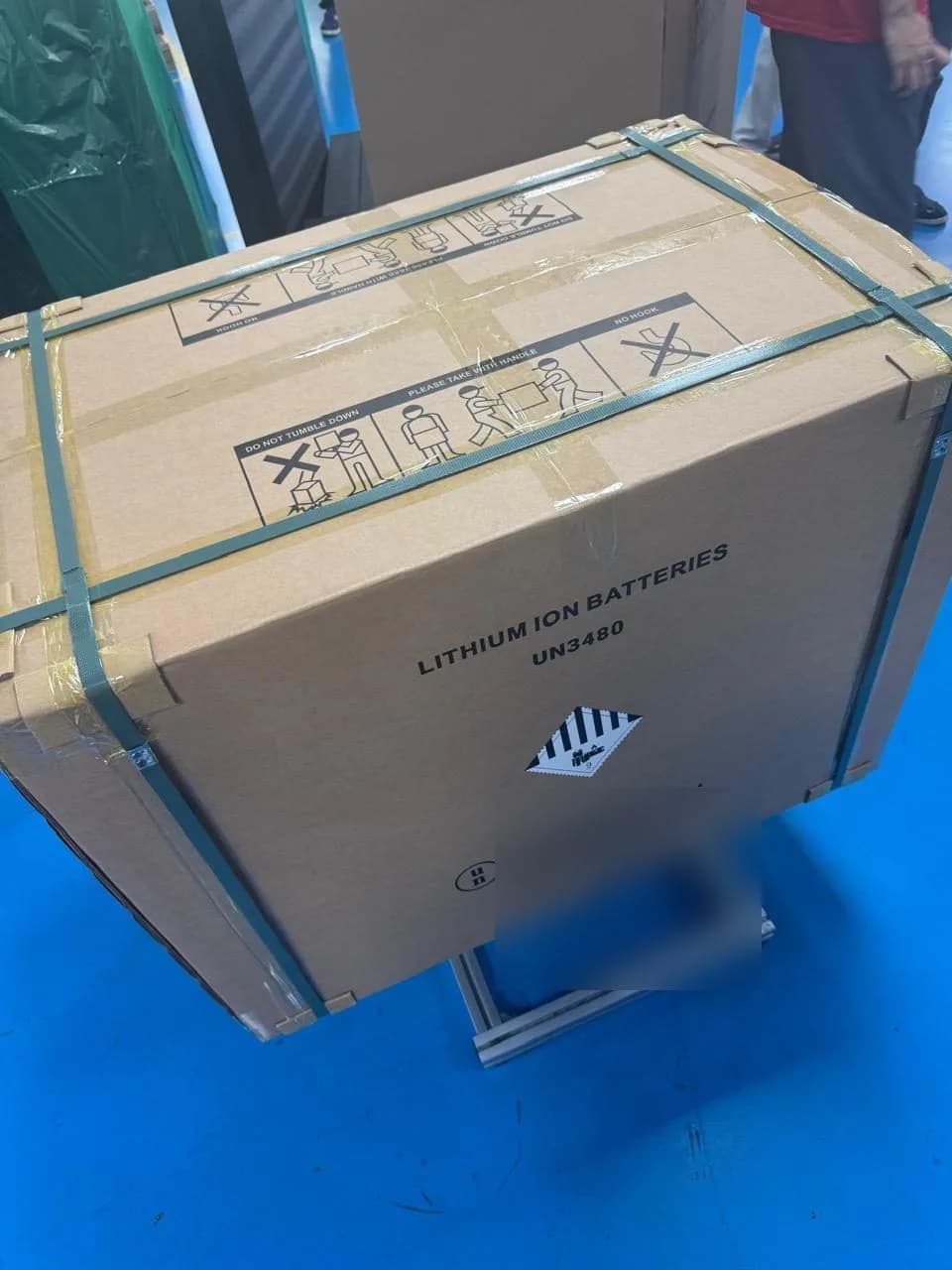
Photos taken at the plant, 2026. Pre-series units: delivered units carry the NV Power Station livery.
From the cell to the carton
Portable stations are built in a plant that controls the whole chain: electronic boards (SMT lines for solder paste printing, component placement, reflow), battery packs (cell sorting, welding, wiring, BMS), final assembly, ageing of 100% of units, load tests and packaging.
| Batch | Sample | Reject if more than |
|---|---|---|
| 281 to 500 | 50 | 1 |
| 501 to 1,200 | 80 | 2 |
| 1,201 to 3,200 | 125 | 3 |
| 3,201 to 10,000 | 200 | 5 |
Level II, AQL 1%: cells, boards, components. Rejected batch: 100% sorting or return.
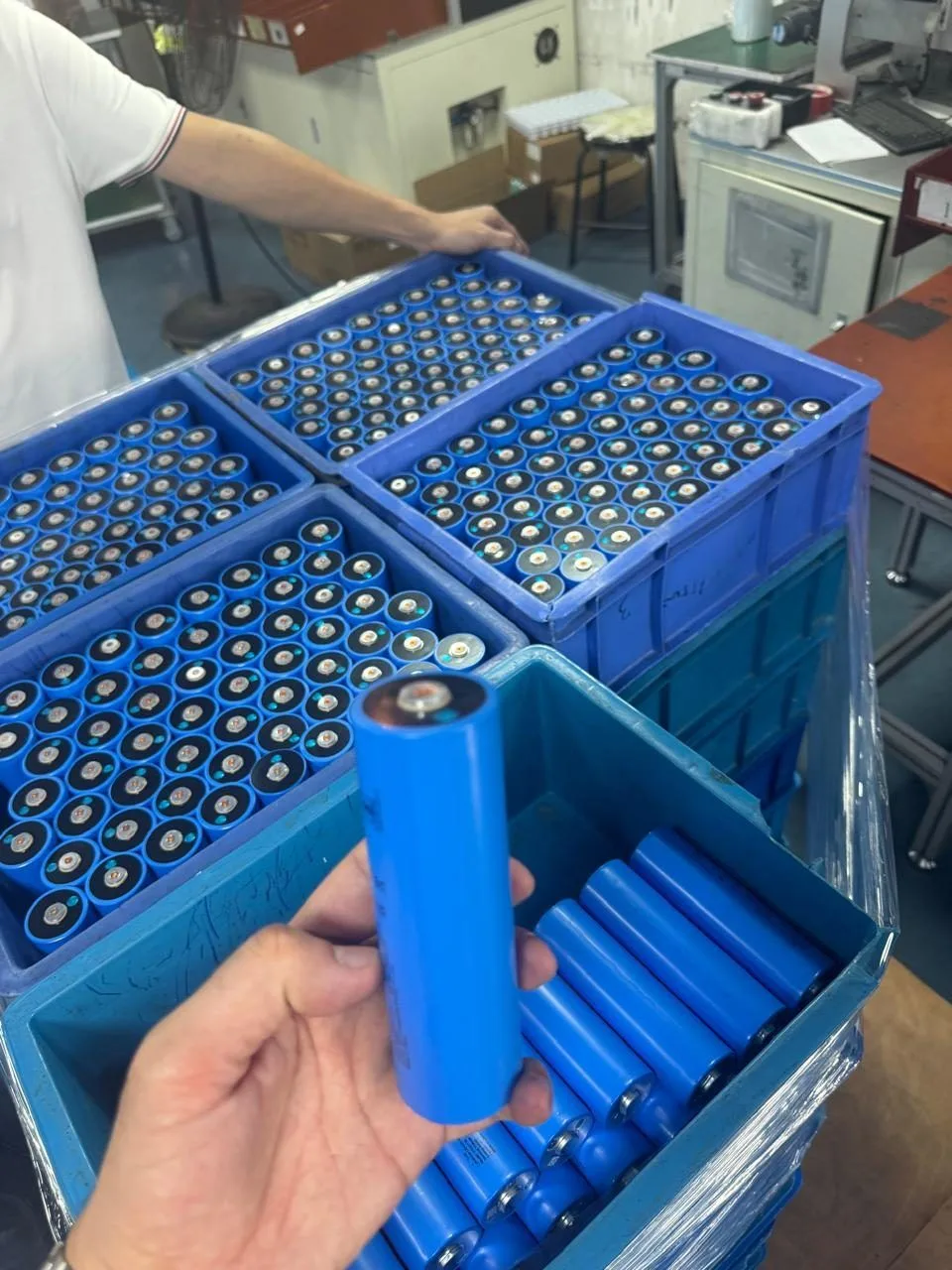
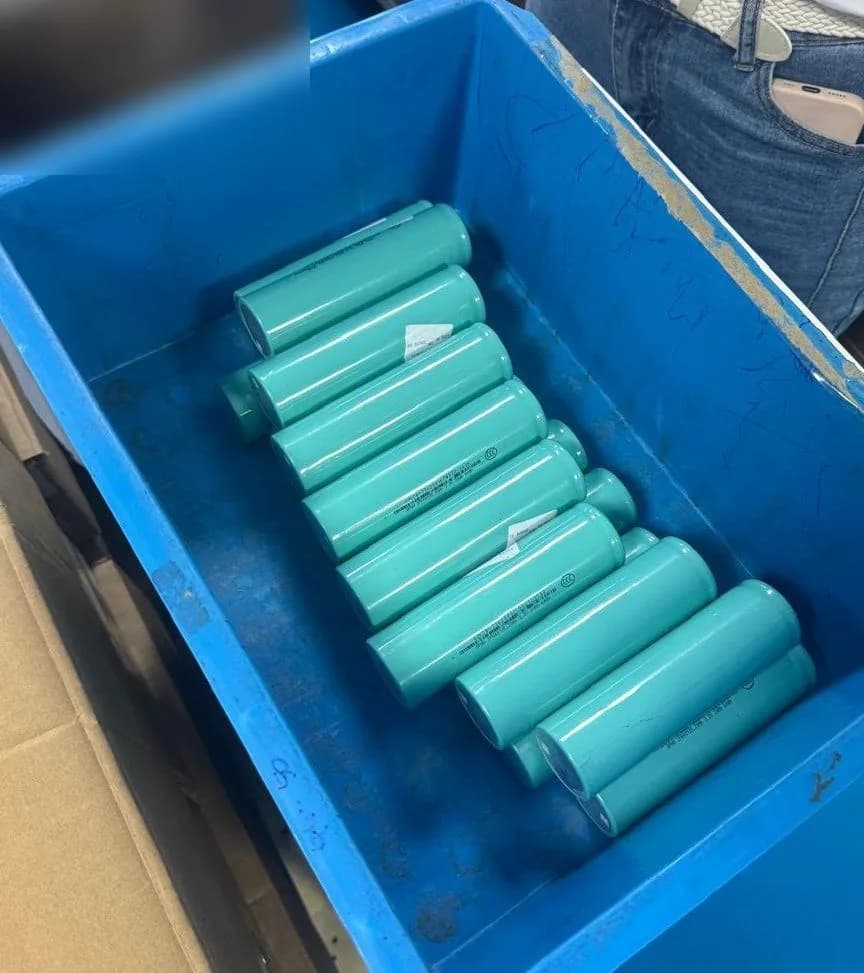
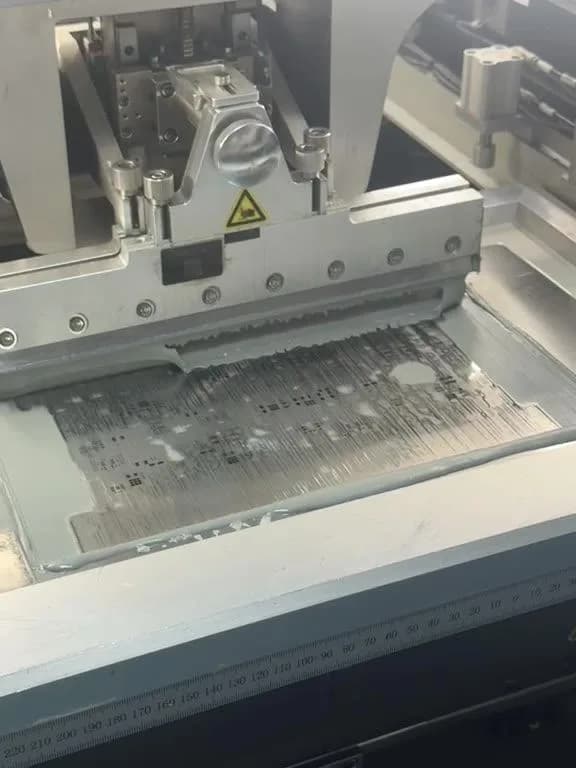
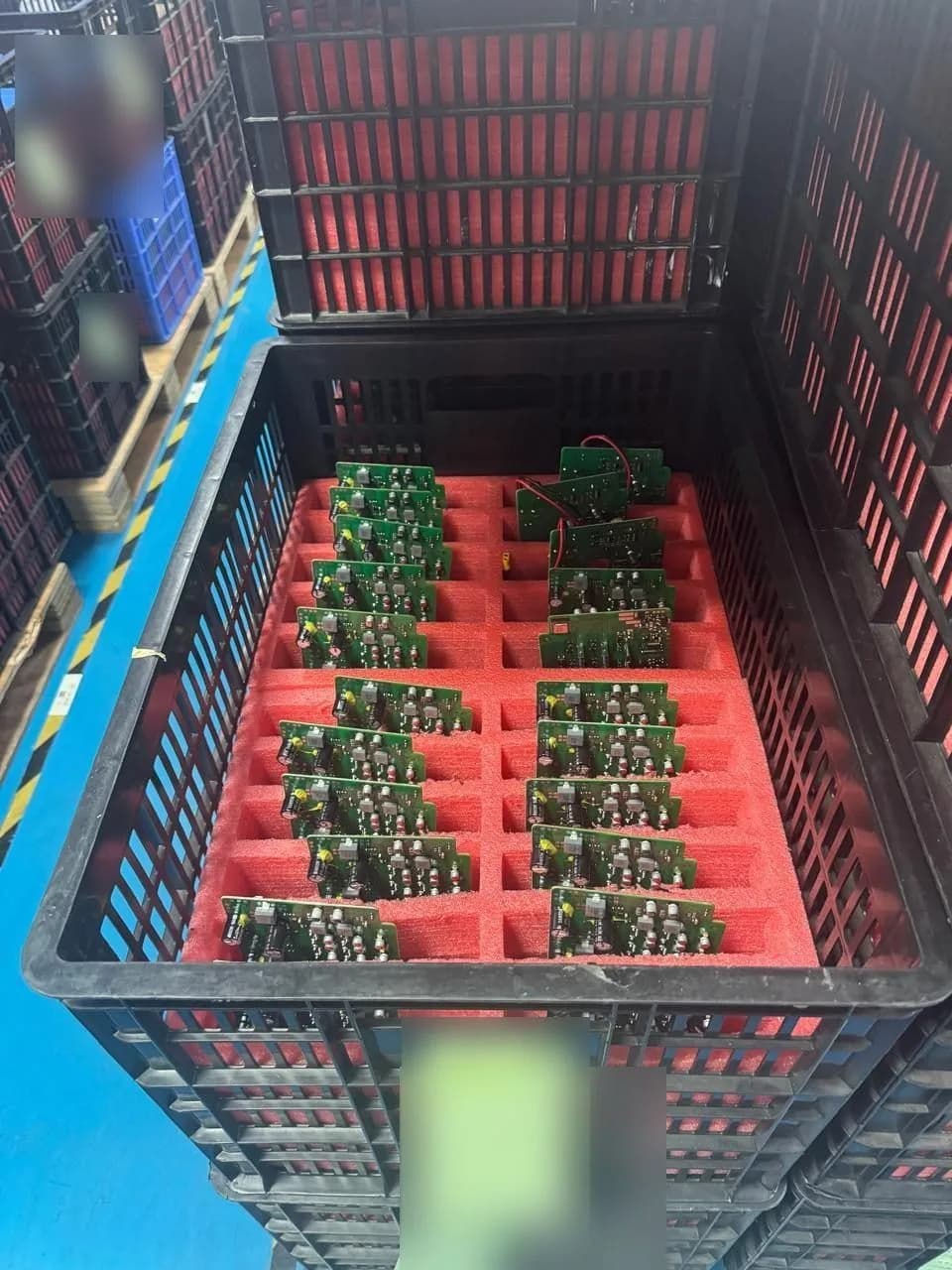
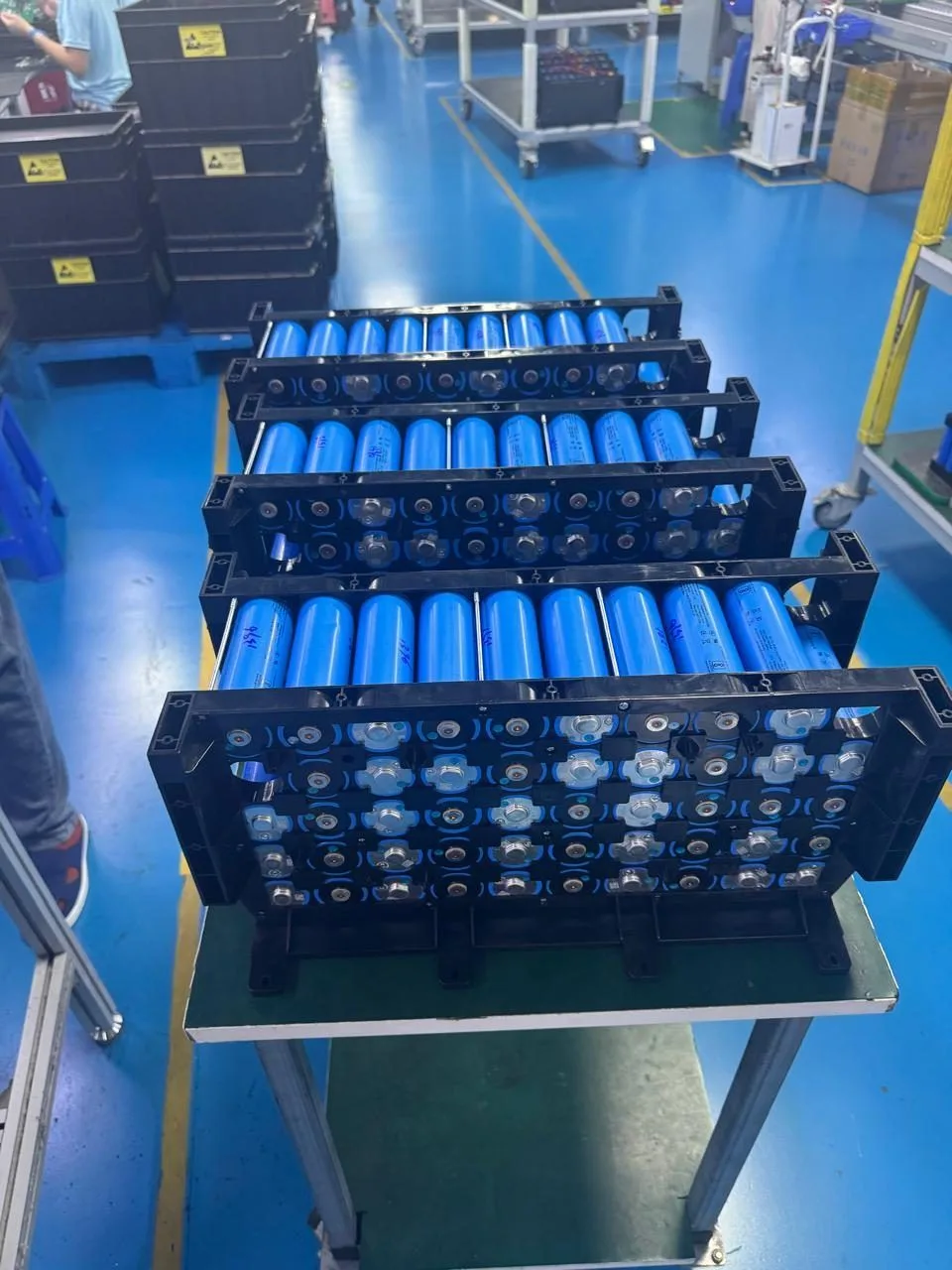
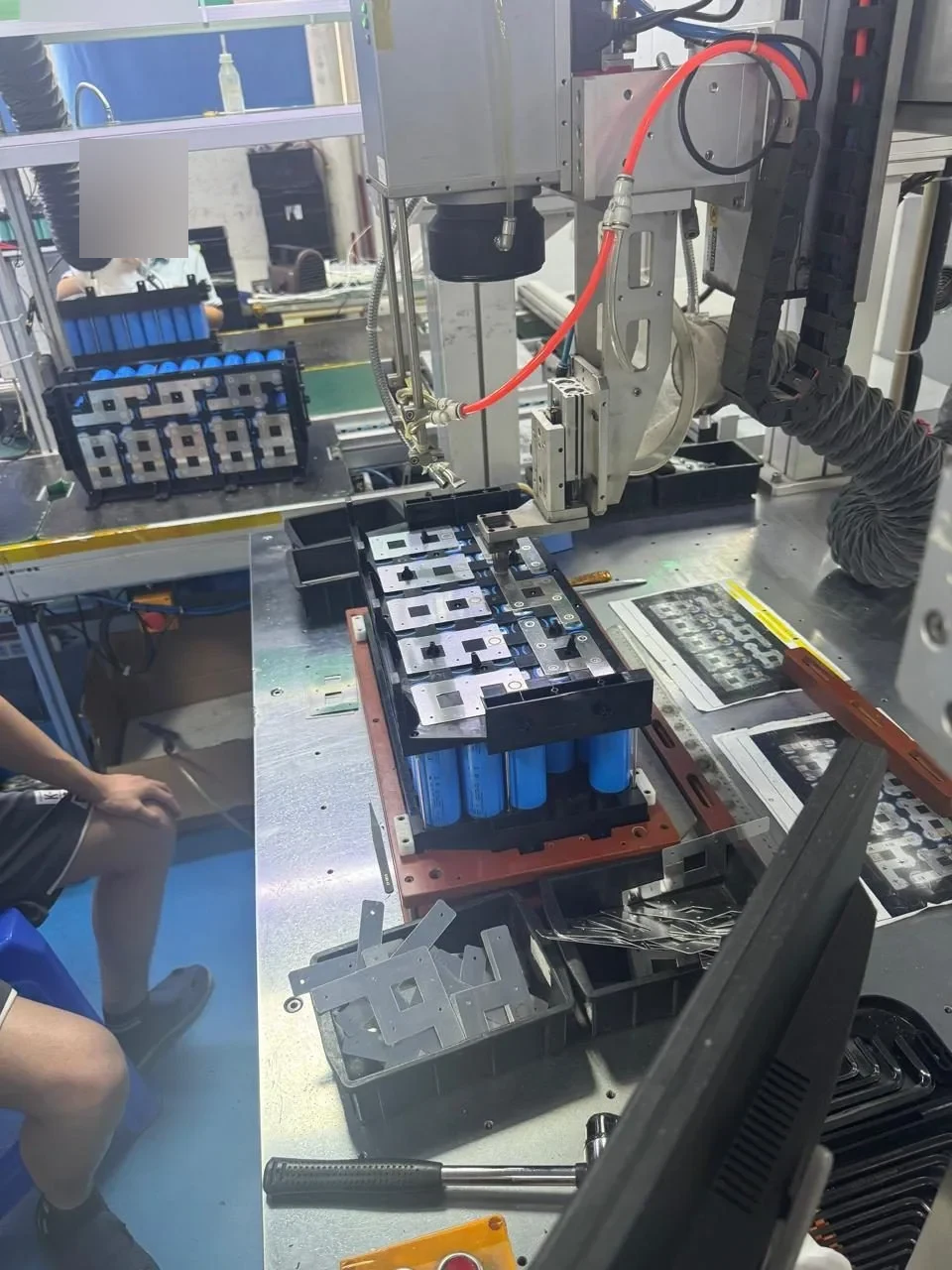
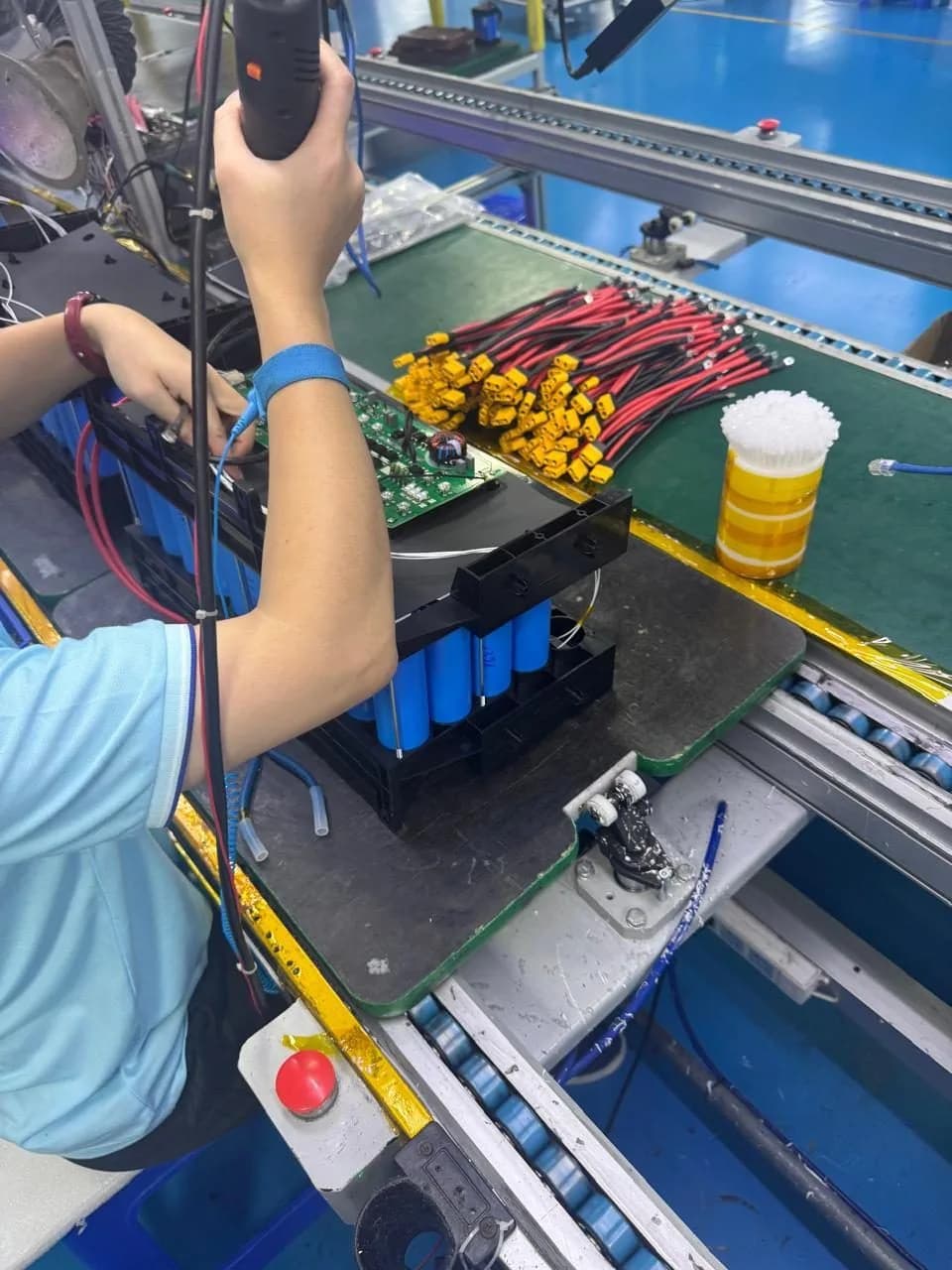
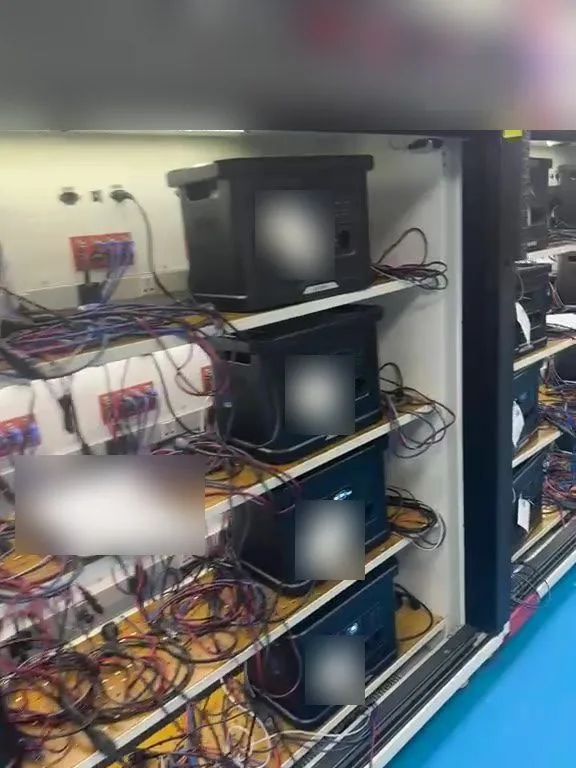
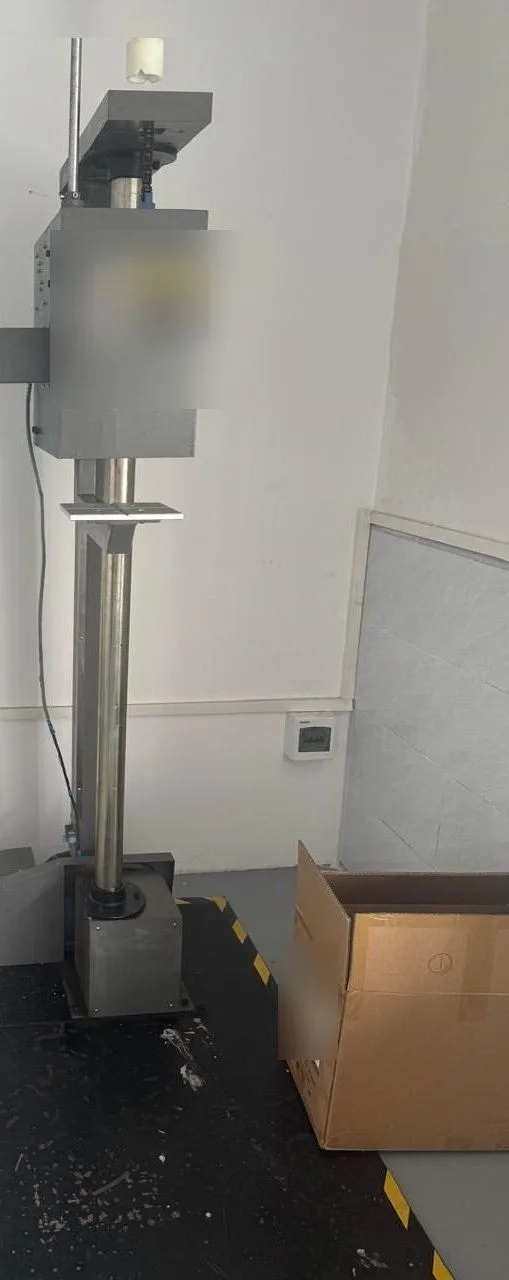
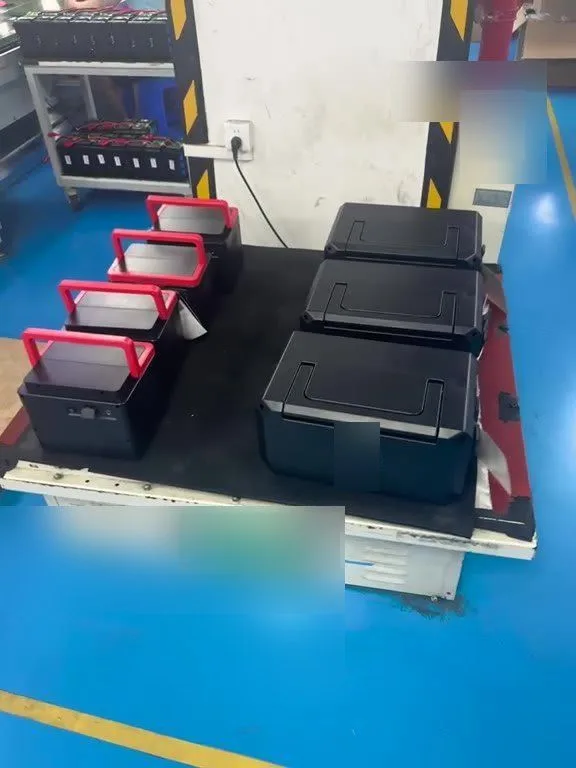
Photos taken at the plant, 2026. Pre-series units: delivered units carry the NV Power Station livery.
Cells, boards, components: MIL-STD-105E sampling inspection, MRB review of non-conformities.
Cell sorting and matching, welding, wiring, BMS test (voltages, balancing, protections).
Integration of inverter, BMS and interface; controlled screwing; visual check.
Each unit goes into the ageing cabinet: charge and discharge cycles under load, temperature monitoring.
Bench with motors, resistors, household appliances and tools: rated power, peak, mains switchover, protections.
Test sheet by serial number, cleaning, UN 3480 packaging; packaging qualified by ISTA 3A drop test.
NV receiving inspection. On arrival in France, NV Power Station checks each batch: state of the cartons, serial numbers against the delivery note, power-up and function check on a sample, then entry in the fleet register.
Produced at the factory to our specifications
Mobile storage is produced at the factory to our specifications: laser-welded battery modules, bidirectional converter, supervision and cooled cables. ISO 9001 quality system; factory acceptance test (FAT) under load before each shipment.
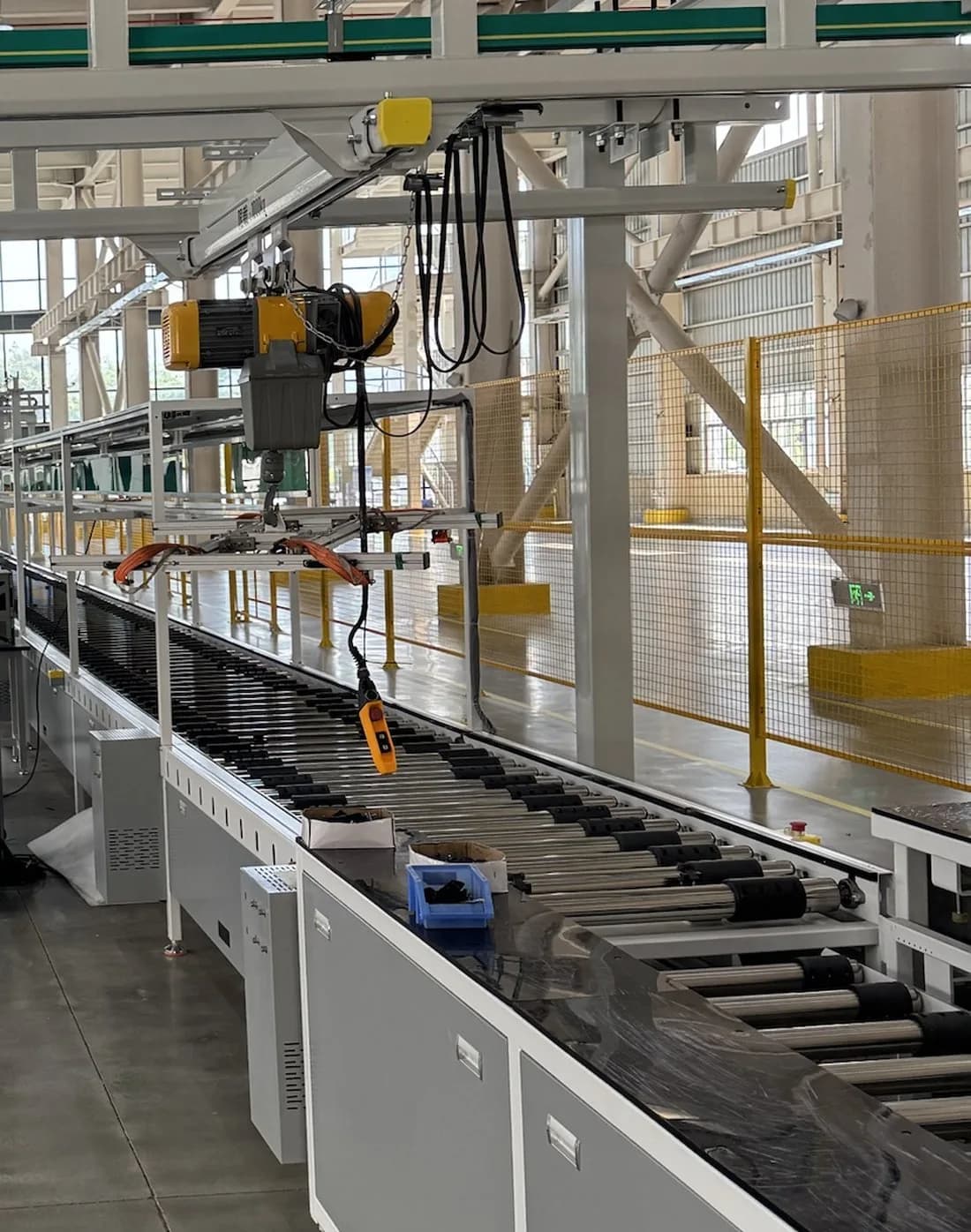
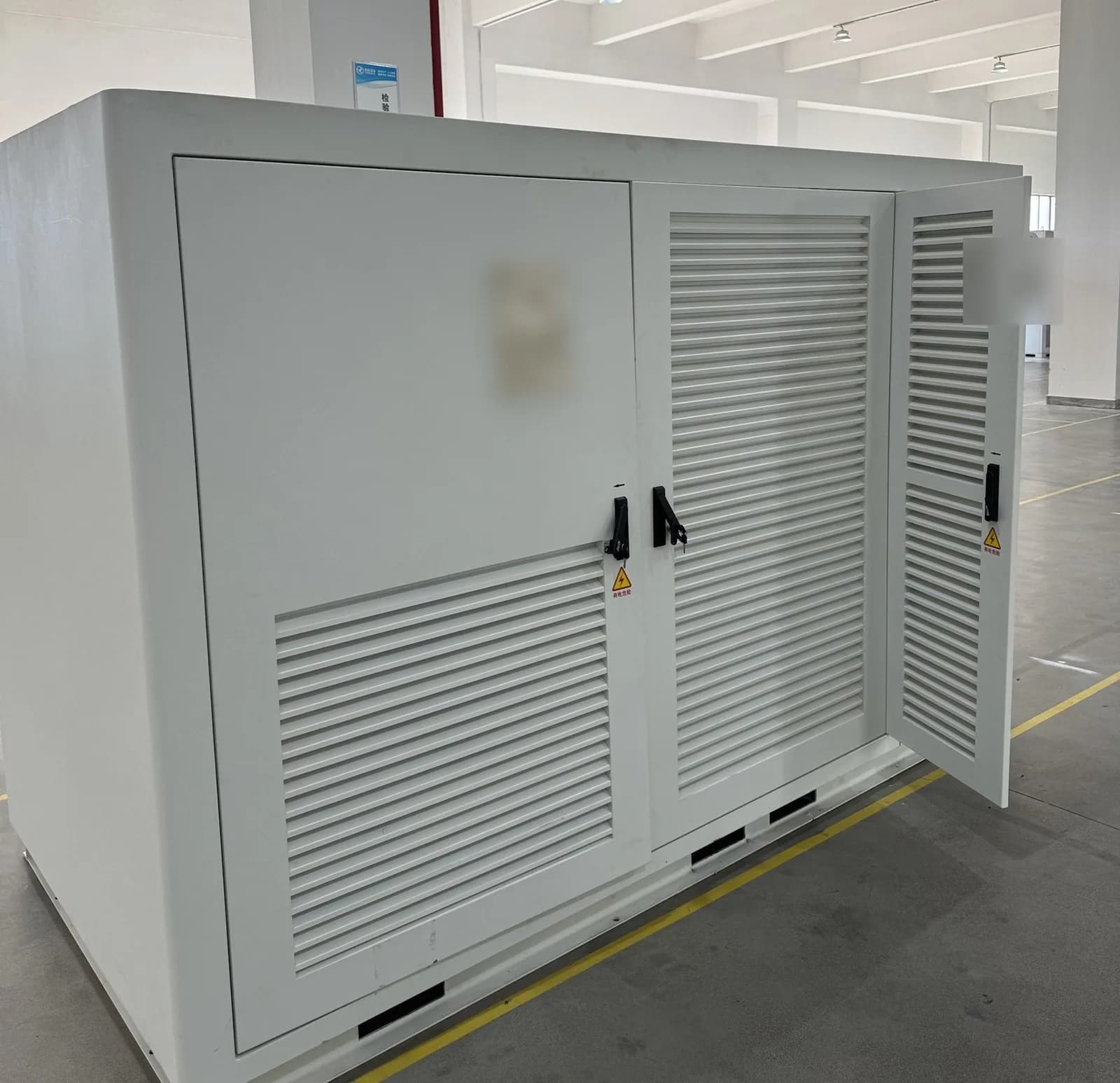
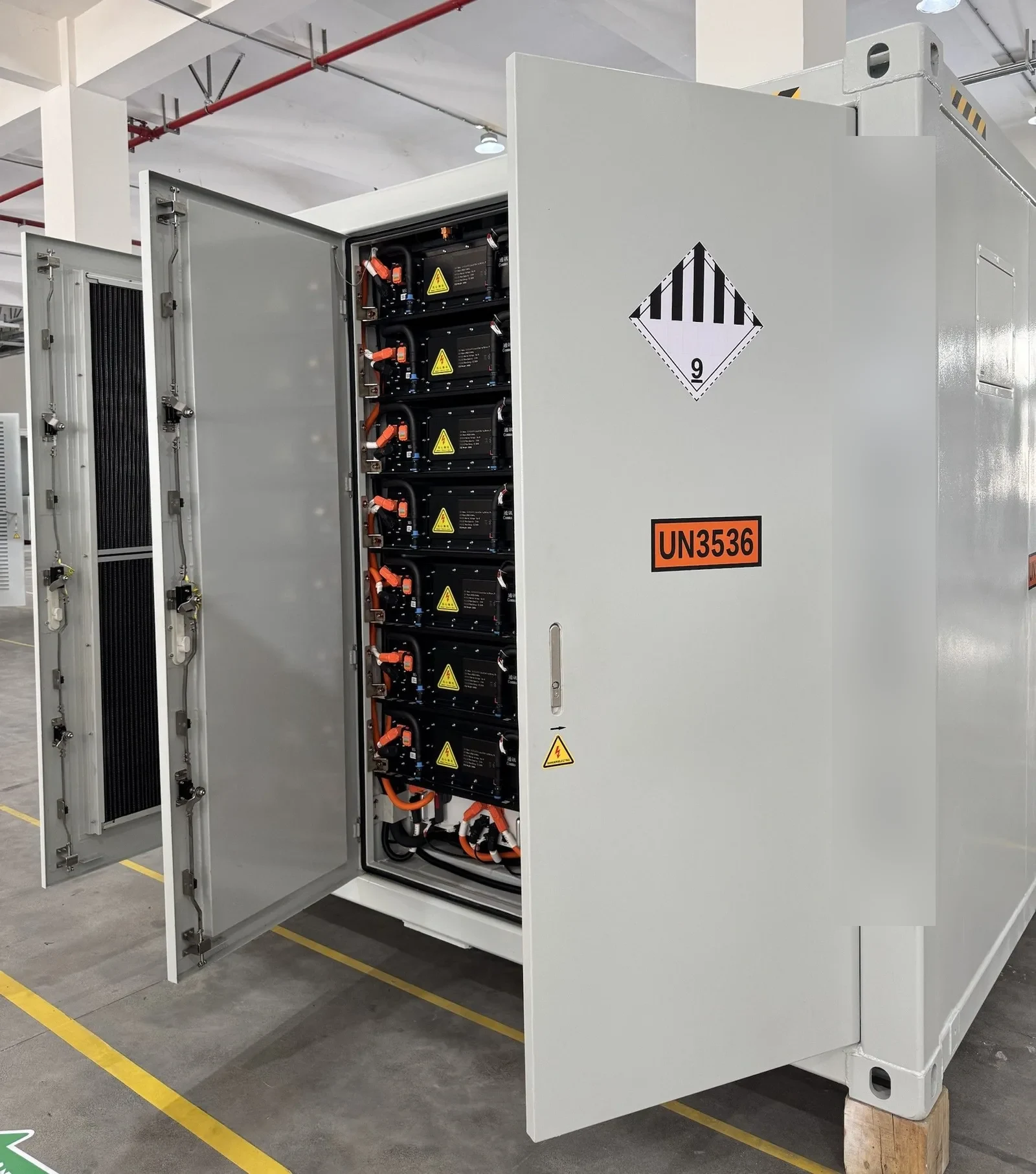
Photos taken at the plant, 2026. Pre-series units: delivered units carry the NV Power Station livery.
CE, IEC 62619 and UN 38.3 certificates supplied before delivery; test reports provided as part of a consultation.
What exists, what is delivered
| Document | NV-C24 | NV-P36 | NV-W36 | NV-W50 | NV-M / NV-C |
|---|---|---|---|---|---|
| CE marking | ✓ | ✓ | ✓ | ✓ | ✓ (before delivery) |
| RoHS | ✓ | ✓ | ✓ | ✓ | not applicable |
| FCC | ✓ | ✓ | ✓ | ✓ | ✓ |
| UN 38.3 test report | ✓ | ✓ | ✓ | ✓ | ✓ |
| Safety data sheet | ✓ | ✓ | ✓ | ✓ | ✓ |
| Transport classification | UN 3481, PI 967 | UN 3481, PI 967 | UN 3481, PI 967 | UN 3481, PI 967 | UN 3536, IMDG |
| ISTA 3A drop test | ✓ | ✓ | ✓ | ✓ | not applicable |
| Test sheet by serial number | ✓ | ✓ | ✓ | ✓ | FAT report |
| FR / EN manual | ✓ | ✓ | ✓ | ✓ | ✓ |
Test reports and certificates are provided on request as part of a consultation; they are not published on the website.
Portable stations: UN 3481, lithium-ion batteries contained in equipment, class 9, packing instruction 967. Packs above 100 Wh travel “cargo aircraft only” by air; no particular restriction by road (ADR, special provisions 188 and 230) and by sea.
Mobile storage: UN 3536, lithium batteries installed in cargo transport units, class 9, sea transport under the IMDG code. Classification issued by a third-party body.
State of charge at shipment: 30% at most by air, as prescribed.
Chemistry, BMS, traceability, manufacturing, compliance and transport, model by model: the technical, quality and traceability file is sent to you on request.
Request the technical file