
No more fuel to manage
No tank, no delivery, no bund, no theft. No Sunday-evening refill so that the site can start on Monday. One charging cable overnight.
NV-M mobile storage
Six LiFePO4 storage units, two on skid (NV-M) and four in containers (NV-C), up to 625 kW at 400 V three-phase and 2 MW of machine charging. They replace the generator set, or cut its running hours by two thirds, on construction sites, industrial sites, quarries and events.
A 100 kVA site generator set is sized for starting the concrete pump or the crane. For the rest of the day it runs at 20 or 30% load, where it burns the most fuel per kWh, fouls up and wears out. An NV-M or NV-C unit, sized on the site's peak, only consumes what the site asks for, and recharges overnight from the grid, or from the generator set, which then runs two hours at full load instead of ten.
No tank, no delivery, no bund, no theft. No Sunday-evening refill so that the site can start on Monday. One charging cable overnight.
Night work in residential areas, indoor sites, shipyard sheds, film sets, city centres: the unit is allowed where the generator set is banned or barely tolerated.
Pure sine-wave inverter, 400 V / 50 Hz held whatever the load: inverter welding sets, drives and control-room electronics cannot tell it from the grid.
| Unit | Energy delivered per charge | Diesel for the same energy | Over 250 days | CO₂ avoided per year |
|---|---|---|---|---|
| NV-M250 | 225 kWh | 74 L | 18,563 L | 49 t |
| NV-M500 | 450 kWh | 149 L | 37,125 L | 98 t |
| NV-C1000 | 900 kWh | 297 L | 74,250 L | 197 t |
| NV-C1300 | 1,170 kWh | 386 L | 96,525 L | 256 t |
| NV-C3000 | 2,700 kWh | 891 L | 222,750 L | 590 t |
How it is calculated: diesel generator set of 60 to 200 kVA at part load, 0.33 L of diesel per kWh produced. At idle, a generator set burns fuel without producing anything, and real consumption per useful kWh rises to 0.4 or 0.5 L. 2.65 kg of CO₂ per litre. One full charge per working day; on a site that consumes more, the unit recharges during the day from the grid or the generator set.
250 and 500 kWh, carried by forklift, flatbed or trailer.
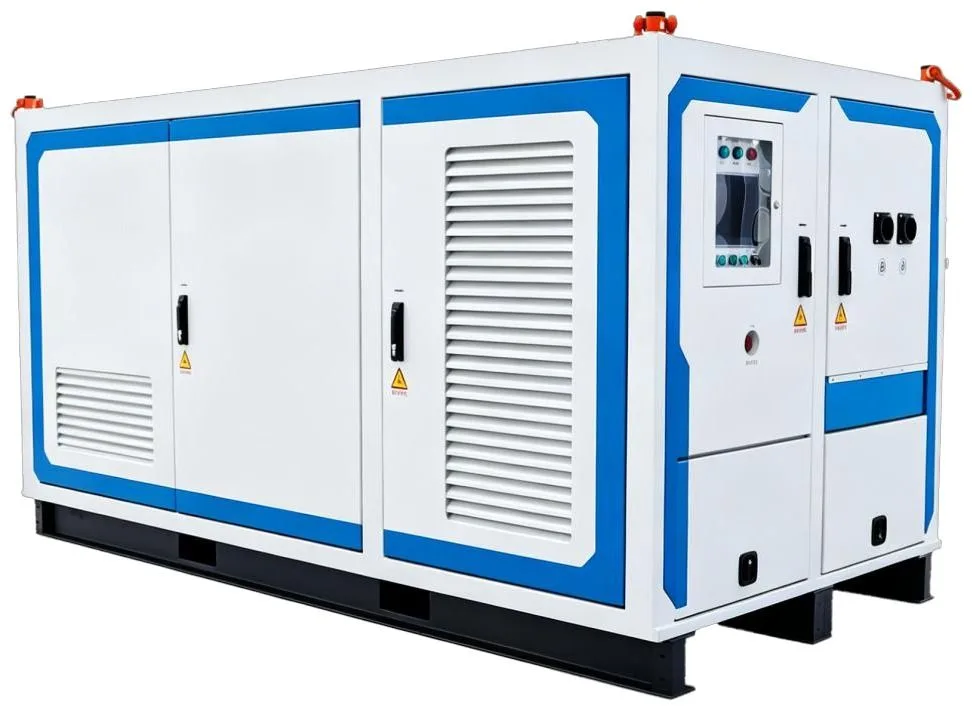
The 125 kW. For one machine or a small site, on skid
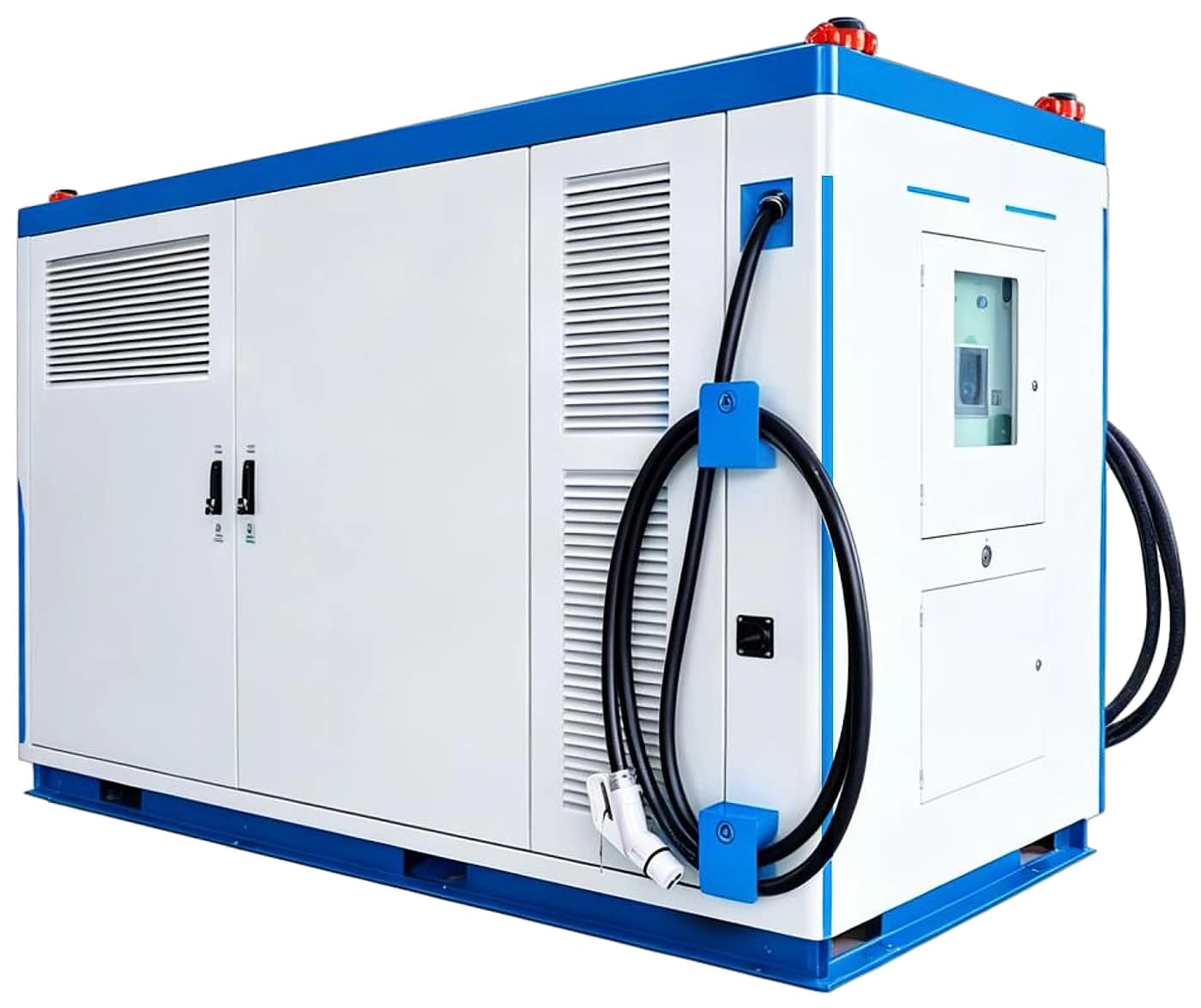
The 250 kW. The replacement for the 200 kVA generator set, with fast charger
From 1,000 to 4,000 kWh in ISO containers: hook-lift truck for the 10-foot, low-loader semi-trailer for the 20-foot.
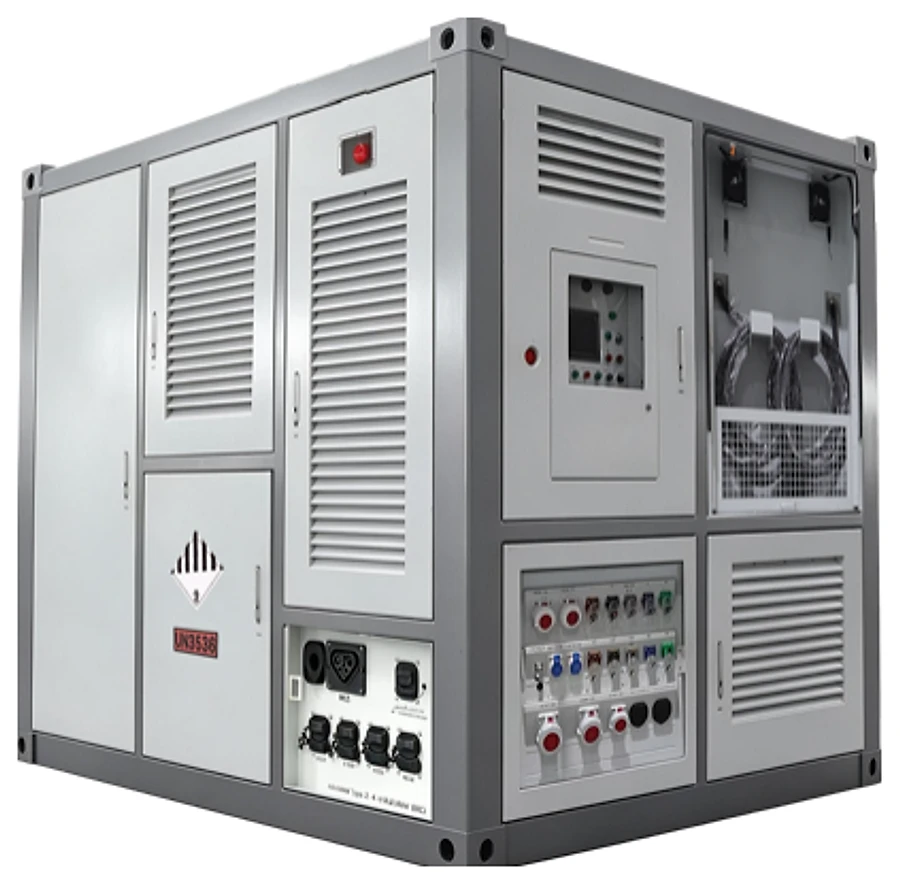
The 1 MWh. 10-foot container, carried by hook-lift truck
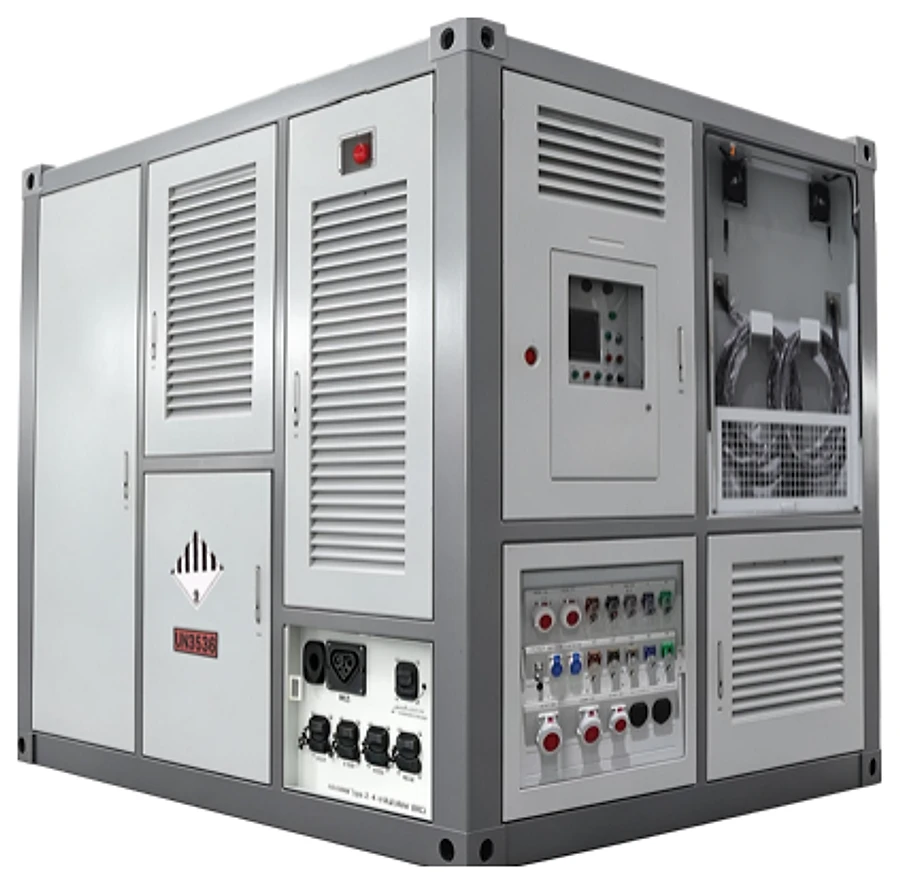
The 1.3 MWh. 10-foot container, 625 kW and five guns
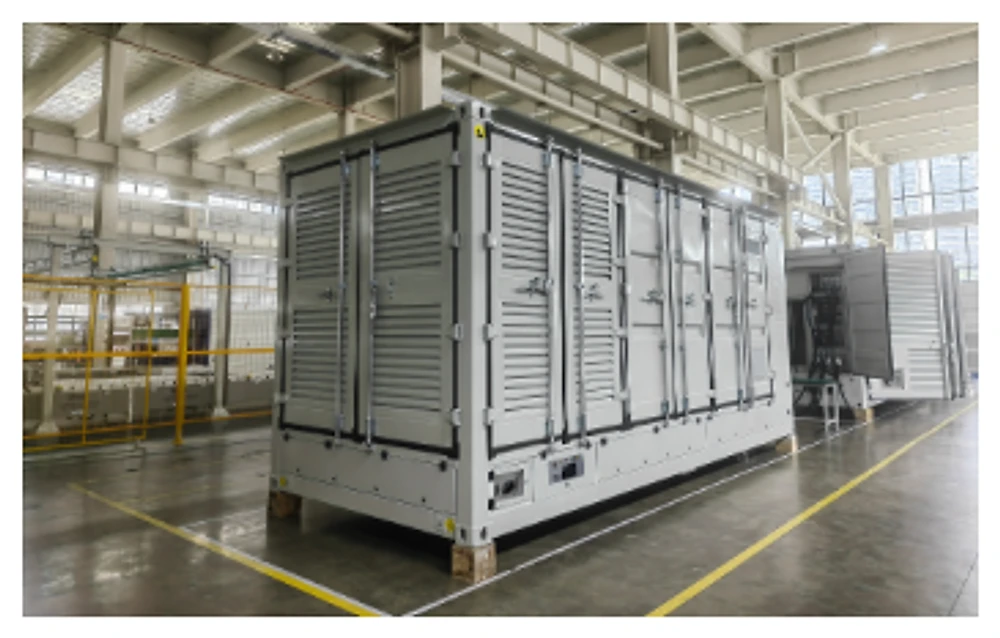
The 3 MWh. 20-foot container, ten guns, 2 MW of charging
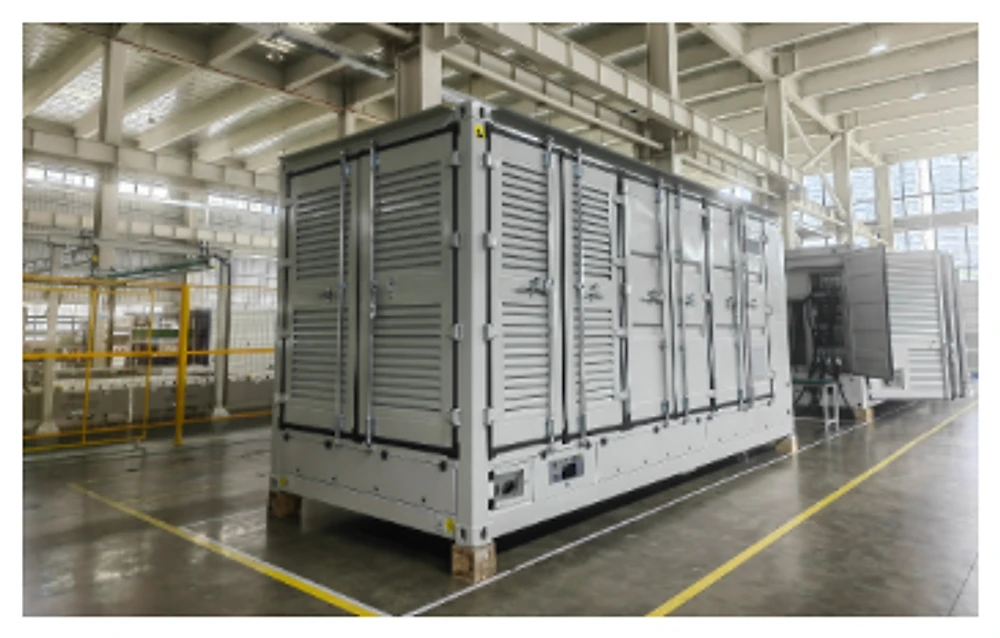
The 4 MWh. Pure DC charging station, 2 × 1,000 kW MCS
Illustration: not a contractual representation.
NV-C3000, NV-C4000: Photo taken at the plant, pre-series unit; delivered units carry the NV Power Station livery.
| Model | Capacity | Energy delivered | AC continuous | Machine charging (DC) | Guns | Format | Dimensions | Weight |
|---|---|---|---|---|---|---|---|---|
| NV-M250 | 250 kWh | 225 kWh | 125 kW | 160 kW | 2 CCS2 guns of 80 kW | skid | 2 928 × 1 497 × 1 655 mm | ≤ 3 t |
| NV-M500 | 500 kWh | 450 kWh | 250 kW | 320 kW | 2 CCS2 guns of 160 kW | skid | 3 205 × 1 740 × 2 117 mm | ≤ 6 t |
| NV-C1000 | 1,000 kWh | 900 kWh | 500 kW | 800 kW | 4 CCS2 guns of 200 kW, MCS socket as an option | container | 2 991 × 2 440 × 2 590 mm | ≤ 11.2 t |
| NV-C1300 | 1,300 kWh | 1,170 kWh | 625 kW | 800 kW | 5 CCS2 guns of 200 kW | container | 2 991 × 2 440 × 2 590 mm | ≤ 15.3 t |
| NV-C3000 | 3,000 kWh | 2,700 kWh | 500 kW | 2,000 kW | 10 CCS2 guns of 200 kW + MCS heavy-truck socket | container | 6 058 × 2 440 × 2 590 mm | ≤ 30.5 t |
| NV-C4000 | 4,000 kWh | 3,600 kWh | no AC output | 2,000 kW | 2 MCS guns of 1,000 kW + 4 CCS2 | container | 6 058 × 2 440 × 2 896 mm | ≤ 36.5 t |
Energy delivered = capacity × 90%. Continuous AC power, no overload: size on the site's peak. Maximum weights as specified.
The energy delivered by one charge (usable kWh) must cover the site's day, or the day of the machine fleet. Beyond that, the unit recharges during the day from the grid or a generator set.
The continuous AC power must hold the site's peak, motor starts included: there is no overload. Soft starters on large motors.
One gun per machine charging simultaneously: two on the NV-M, four to ten on the NV-C, and the MCS socket for trucks.
Latest-generation LiFePO4 cells, liquid-cooled, in identical modules across the range. 6,000 cycles and more. BMS: overheating, short circuit, insulation, overcharge, deep discharge.
The unit forms its own 400 V / 50 Hz grid, neutral brought out. Welding sets, motors, tools and site cabins plug in directly.
Three-phase AC grid, from 43 kW on 63 A up to 70 kW (NV-M) or 280 kW (NV-C), generator set in hybrid mode, or solar through the DC input.
Powerlock 400 A in and out (two, or 800 A, on the NV-C), CEE 125, 63, 32 and 16 A. Machine charging via CCS2, 80 to 200 kW per gun, and MCS on the large models.
Site distribution box with 30 mA RCDs supplied downstream, TN-S earthing system.
IP54 steel enclosure or container, C4 anticorrosion, liquid-cooled battery in a closed circuit, automatic fire suppression, −30 °C to +50 °C.
Battery: 6 years or 6,000 cycles, whichever comes first. Converter: 3 years.
On-site commissioning and training, touch screen in English and French, remote control from a computer or a phone (optional, isolated network possible), recommended spare parts kit.
Trailer version of the NV-M: on request. CE, IEC 62619 and UN 38.3 certificates supplied before delivery. Specifications subject to change without notice.
On the left, the battery modules; on the right, the drawer-type converter and the supervision; on the front, the site sockets and the charging guns. Everything that wears or gets replaced is reachable without dismantling the unit.
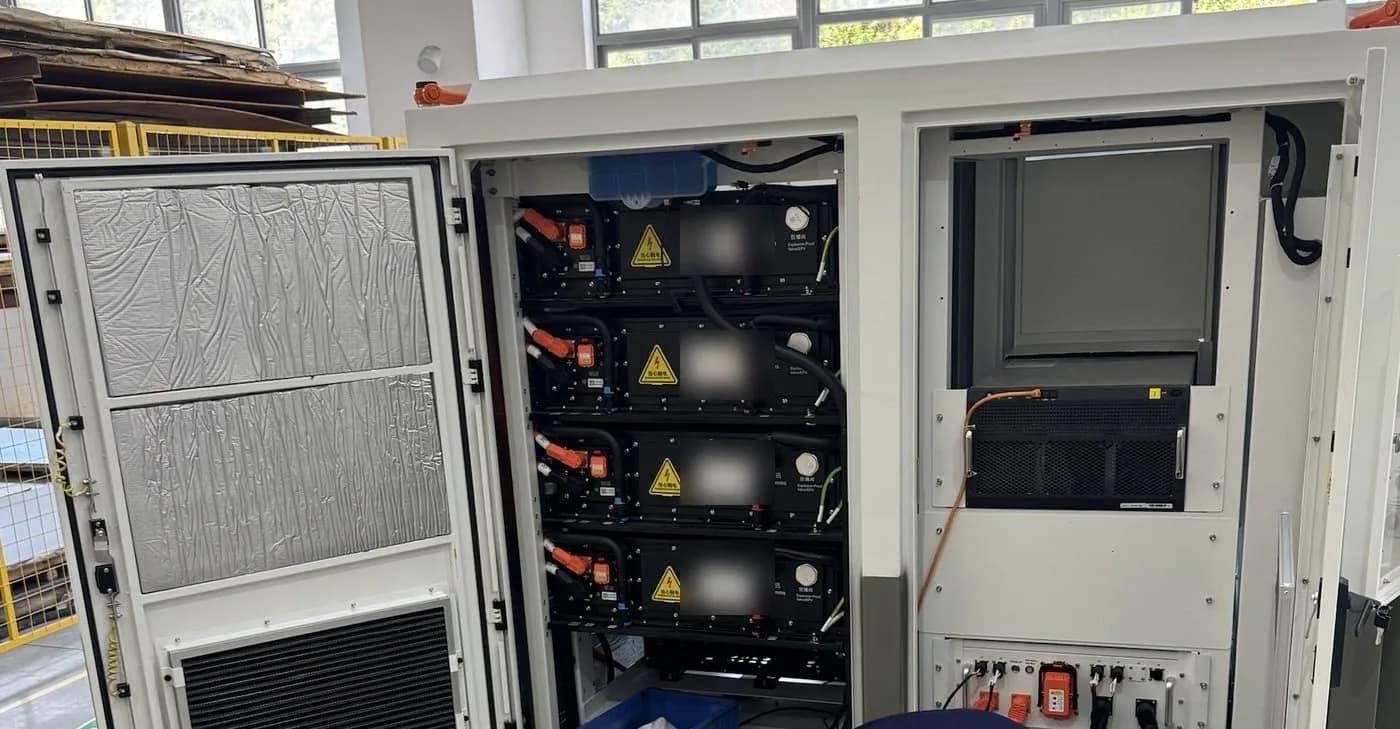
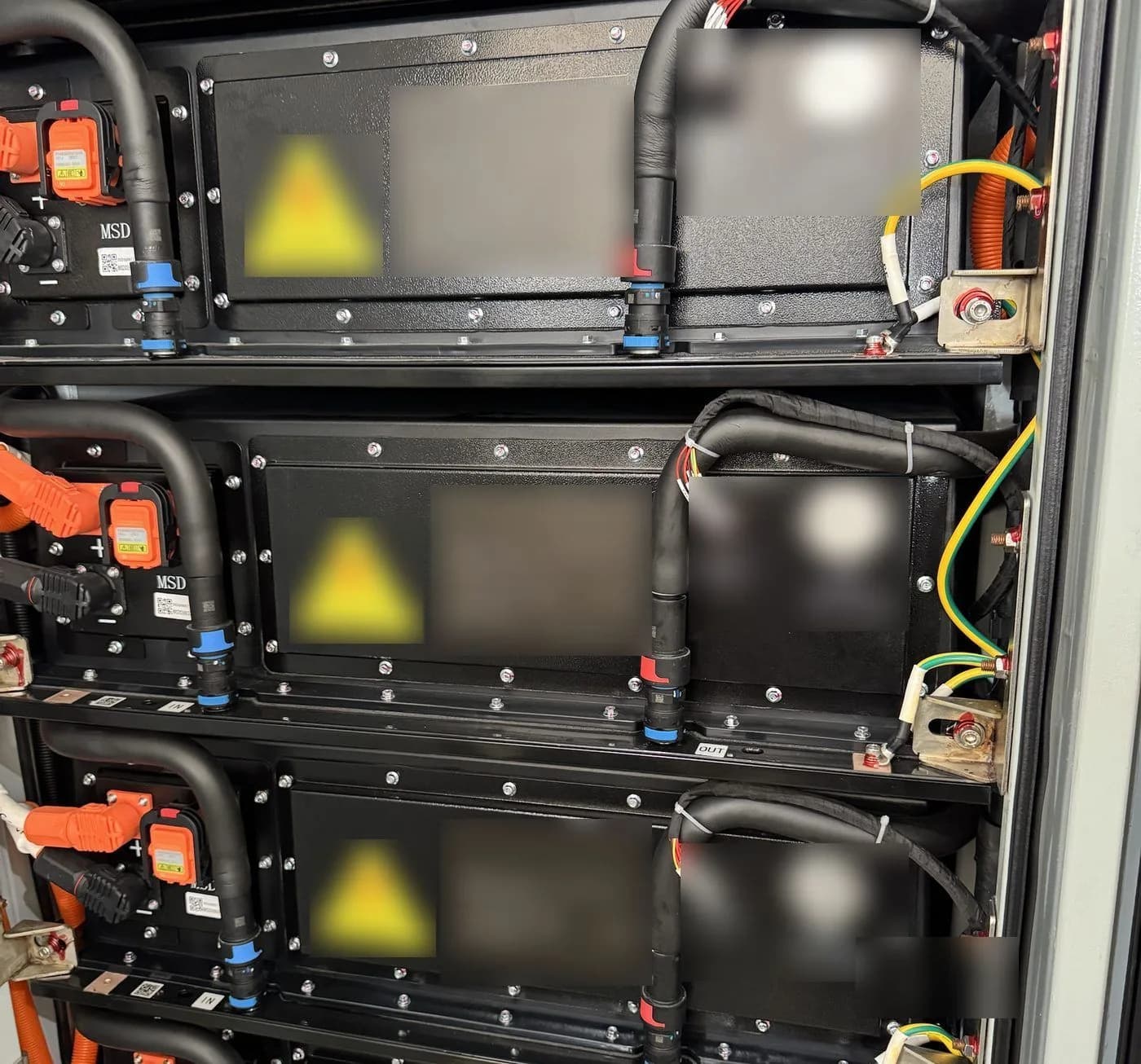
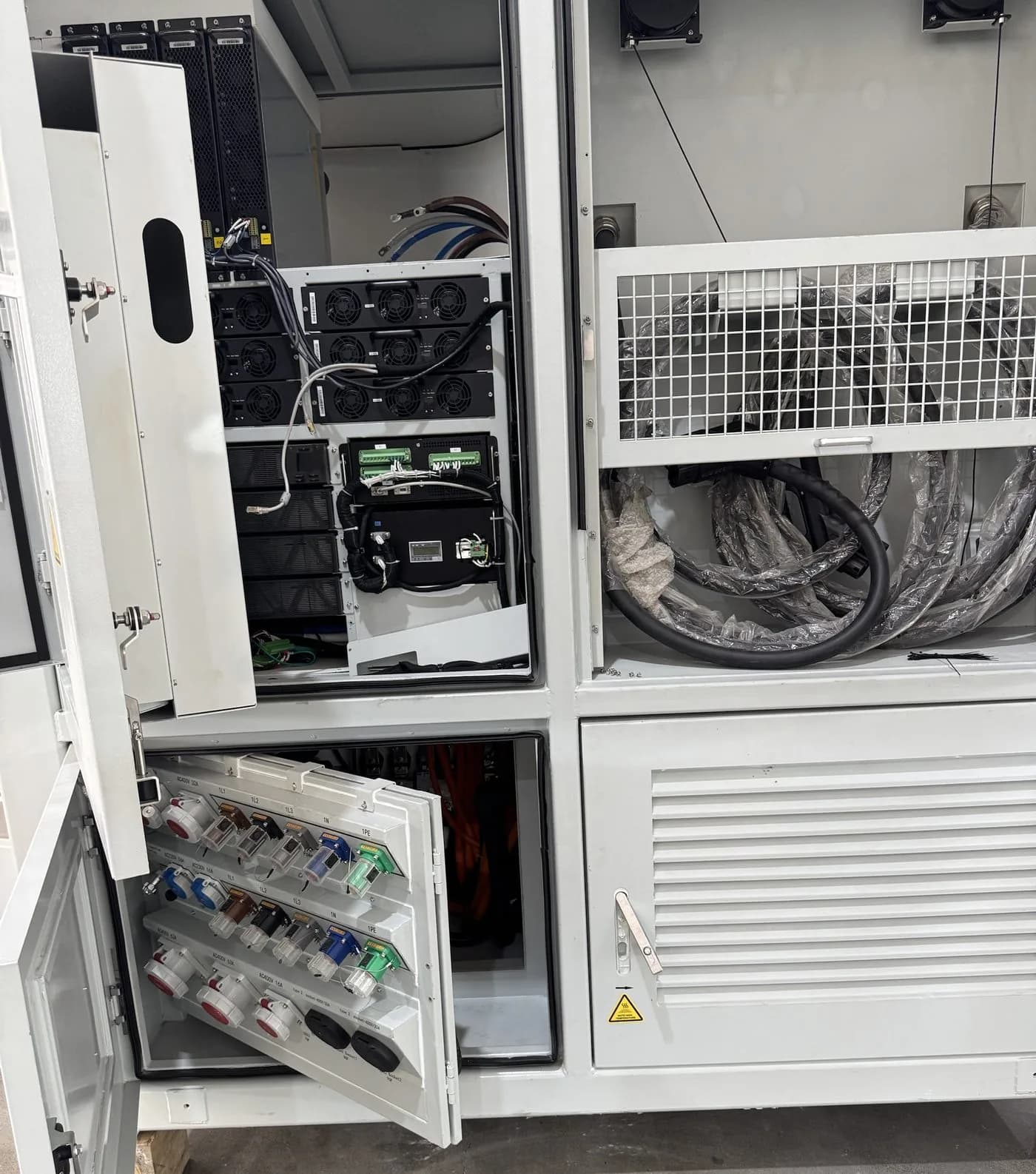
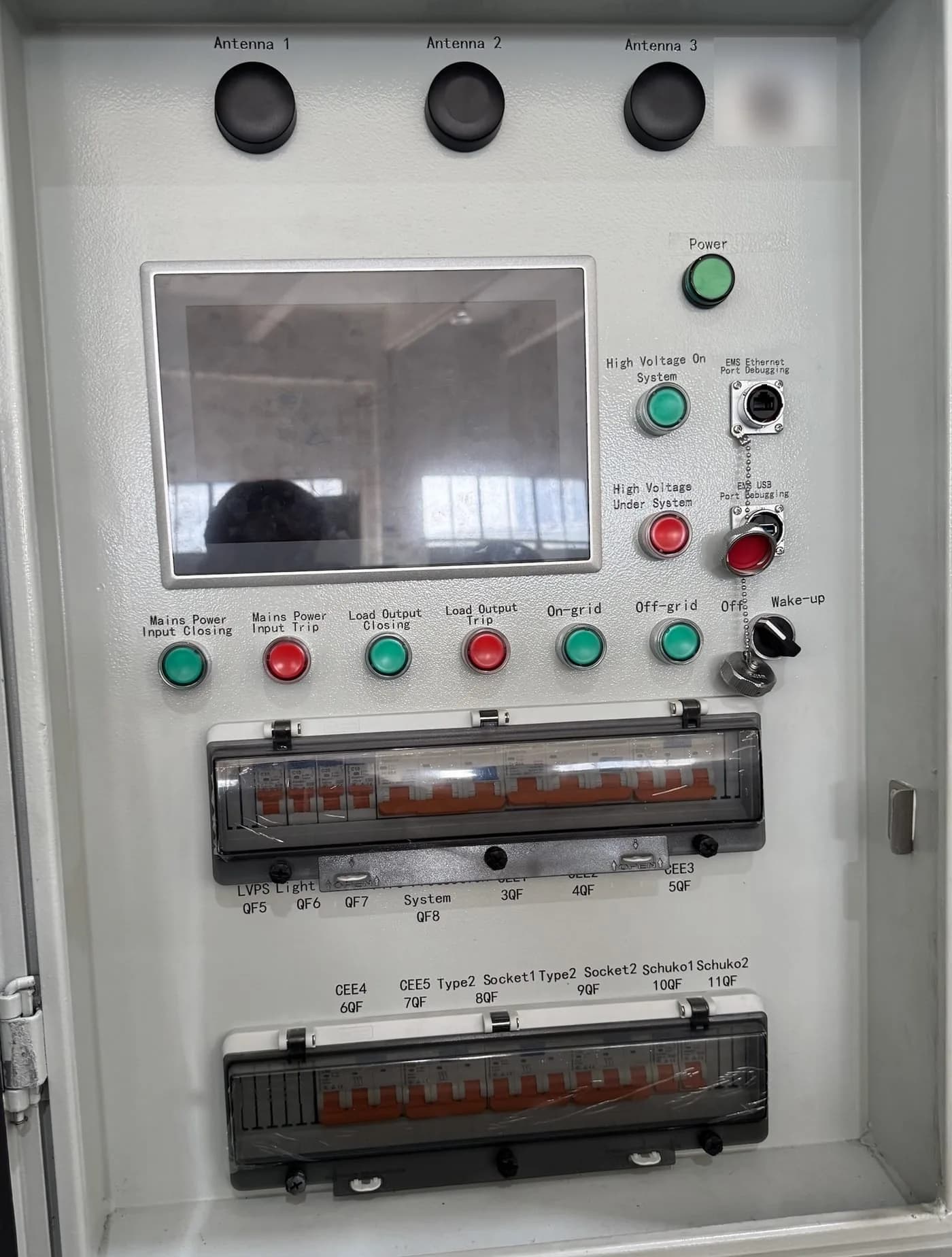
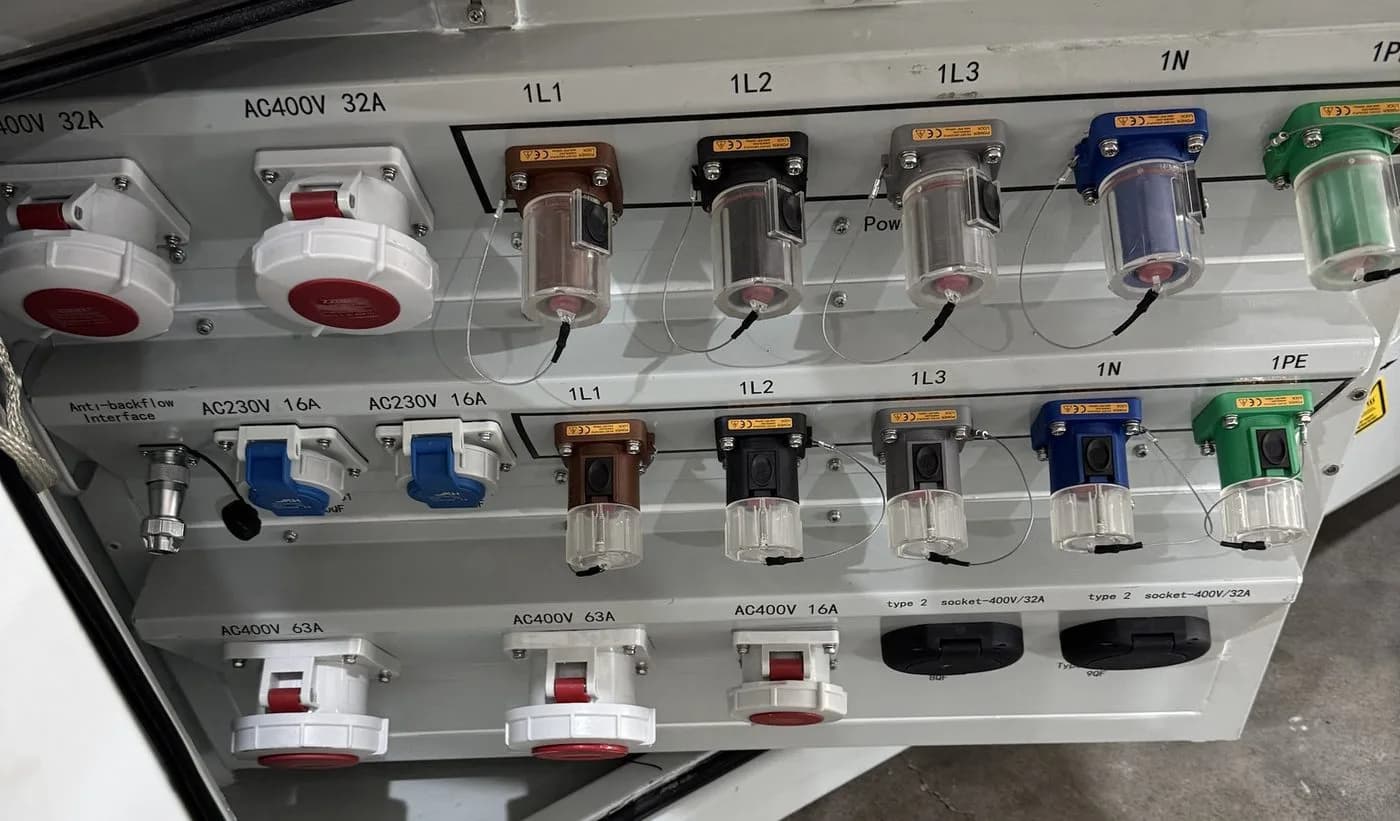
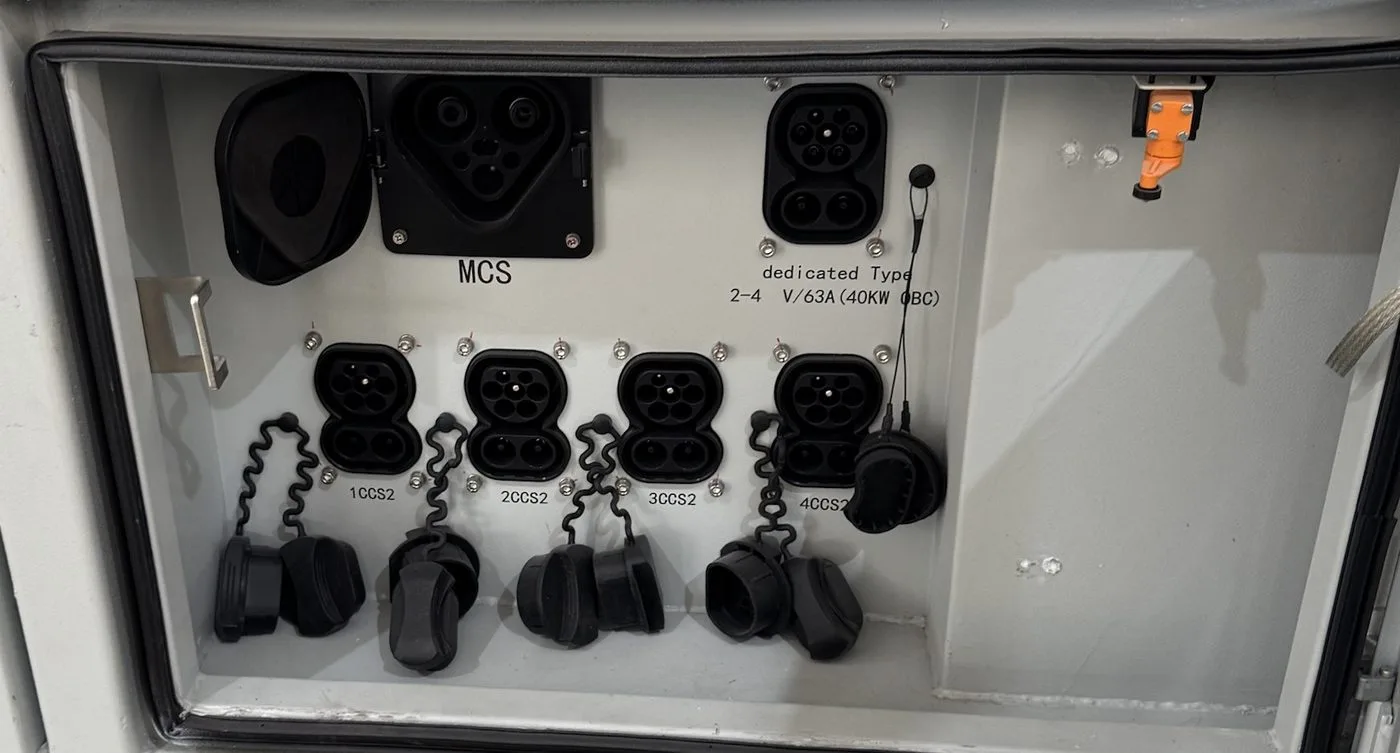
Photo taken at the plant, pre-series unit; delivered units carry the NV Power Station livery.
MIG 500 A, TIG 400 A, gouging
On a quay or in a hold, six welders on MIG 500 A draw 60 to 100 kVA at peak but 40 to 70 kW on average over the shift. The unit is chosen on the peak, follows the real load and makes no noise in the shed.
| Situation | Energy | Configuration |
|---|---|---|
| 4 MIG 400 A sets, 40% duty cycle, 8 h | ≈ 320 kWh per day | NV-M500, or NV-M250 recharged at noon |
| 6 MIG 500 A + TIG 400 A, 2 shifts of 8 h | ≈ 560 kWh per day | NV-C1000 |
| 2 MMA 300 A sets, 8 h | ≈ 60 kWh | NV-M250 |
Crane, concrete pump, batching plant
Before the permanent connection, the site lives on a 100 to 250 kVA generator set sized for the crane. The unit takes the site cabins, the lighting and the tools, and the generator set only runs for the peak, or not at all if the motors have soft starters.
| Situation | Energy | Configuration |
|---|---|---|
| Cabins for 20 people + site lighting, 10 h | ≈ 200 kWh per day | NV-M250 |
| 40 kW tower crane + cabins, 8 h | ≈ 300 kWh per day | NV-M500, or NV-M250 in hybrid mode |
| 90 kW concrete pump, 3 h pour | ≈ 270 kWh | NV-M500 |
Control room, stage, dressing rooms, catering
A festival, a film set or a reception in a city centre cannot afford noise or fumes. The unit powers the control room, LED lighting, catering and dressing rooms on a stable 400 V grid, with no generator set to hide behind the stage.
| Situation | Energy | Configuration |
|---|---|---|
| Sound and lighting control + dressing rooms, 12 h | ≈ 250 kWh | NV-M500 |
| Film set, 2 days | ≈ 600 kWh | NV-C1000 |
| Reception for 500, kitchen, 8 h | ≈ 180 kWh | NV-M250 |
Building, process, remote site
Between the grid and a building or a process, the unit delivers 125 to 625 kW when the power fails. On a remote site, it forms the 400 V grid and the generator set only starts to recharge it: hybrid mode, three times fewer engine hours.
| Situation | Energy | Configuration |
|---|---|---|
| 2,000 m² office building, 2 h outage | ≈ 240 kWh | NV-M500 |
| Remote site, 30 kW average, 24 h, hybrid | ≈ 720 kWh per day | NV-C1000 + generator set 2 to 3 h a day |
| 60 kW pumping station, 4 h | ≈ 240 kWh | NV-M500 |
DC charger from 160 kW to 2 MW, CCS2 and MCS
Electric excavators, loaders, dumpers and vans reach the sites before the grid that would charge them. The unit charges several machines at once via CCS2, 80 to 200 kW per gun, and recharges itself from the site supply or a generator set. In DC, the machine sets the current: no peak constraint.
| Situation | Energy | Configuration |
|---|---|---|
| Mid-size excavator, 235 kWh, one charge a day | ≈ 200 kWh | NV-M250 |
| 25 t excavator, 570 kWh, one charge a day | ≈ 480 kWh | NV-C1000 |
| 25 t excavator and A30 dumper, every day | ≈ 745 kWh | NV-C1000 |
Keep the generator set, divide the diesel
The generator set stays on site, but it only runs to recharge the unit, at full load, two to three hours a day. The rest of the time, the battery powers the site: silence at night, consumption divided by two or three.
| Situation | Energy | Configuration |
|---|---|---|
| Site at 25 kW average, 100 kVA generator set, 24 h | ≈ 600 kWh per day | NV-C1000 + generator set 7 to 8 h a day instead of 24 |
| Cabins + lighting at 12 kW average, 24 h | ≈ 290 kWh per day | NV-M500 + generator set 3 to 4 h a day |
| Day site at 20 kW average, 10 h | ≈ 200 kWh per day | NV-M250 + generator set 2 h in the morning |
Typical figures for common use, to be confirmed on your load profile (average power, peak power, hours). Send us your equipment list and your hours: we return a sizing with figures.
What happens after the order
To size it right. Give us your site's average power and peak power, the operating hours per day, and what is available for charging (63 or 100 A grid supply, existing generator set). That is all it takes to choose the right model.
Mobile storage is produced at the factory to our specifications, under our brand: laser-welded battery modules, bidirectional converter, supervision and cooled cables. ISO 9001 quality system; factory acceptance test (FAT) under load before each shipment. NV Power Station audits the factory and handles distribution, commissioning, maintenance and service.
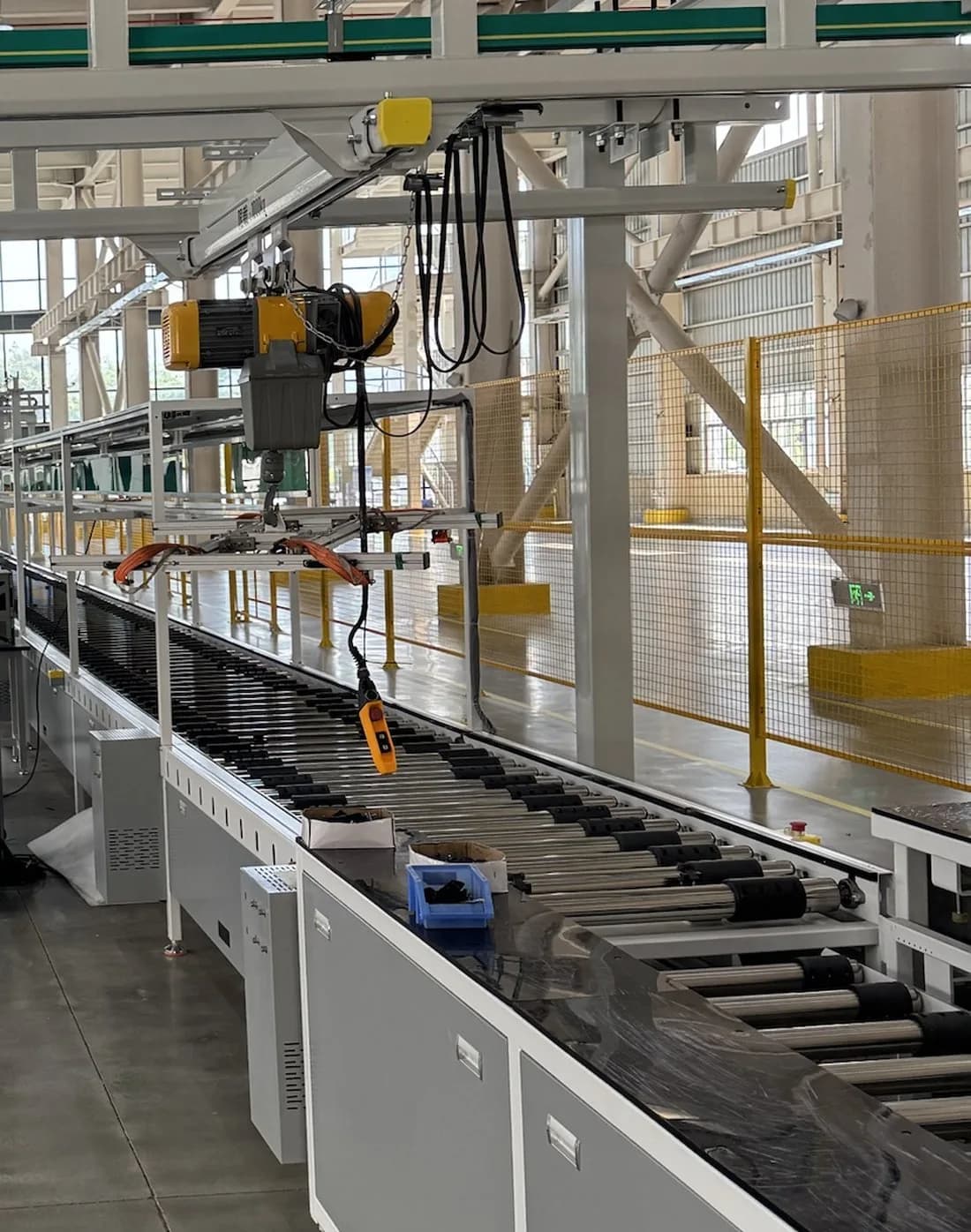
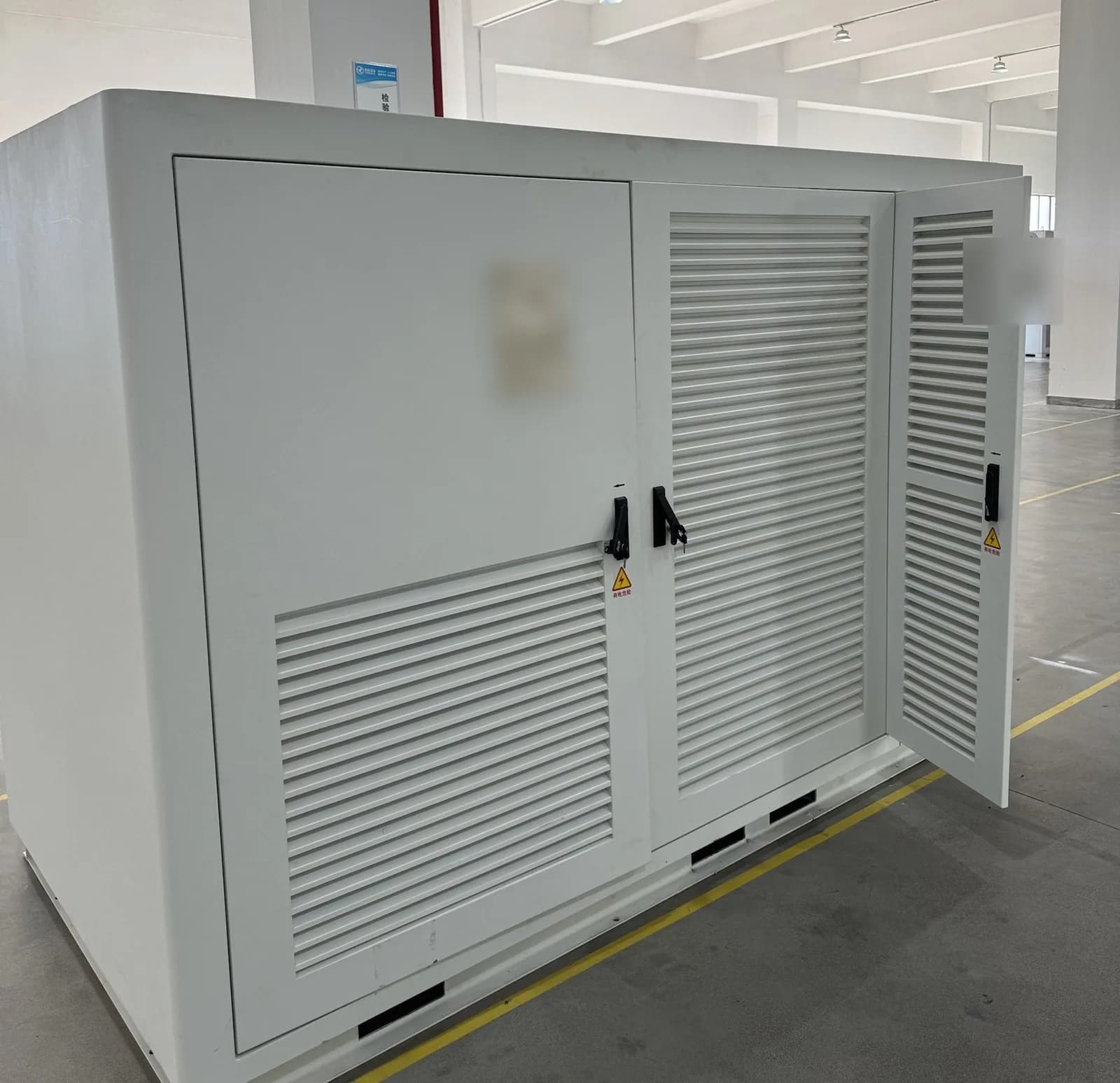
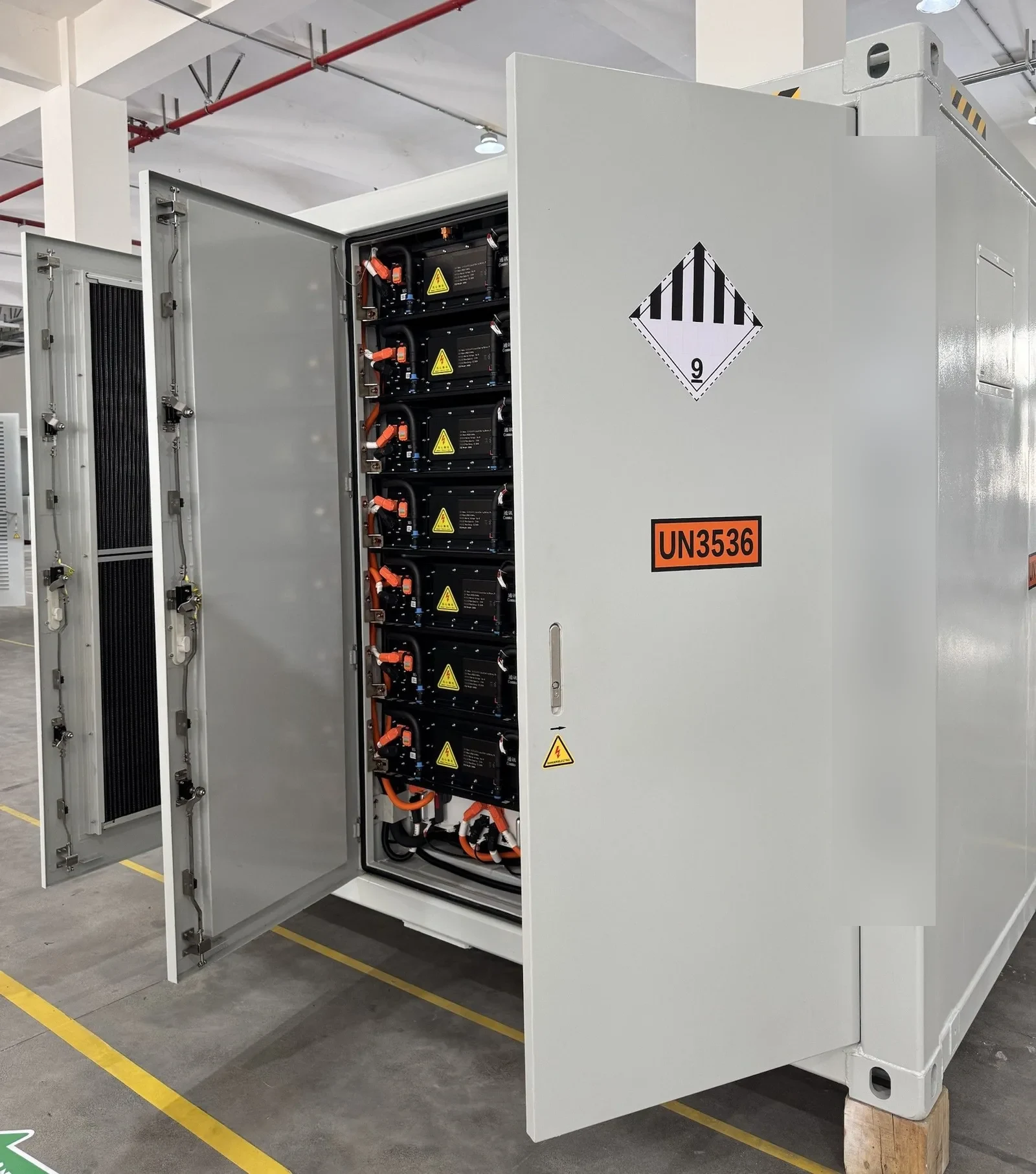
Photos taken at the plant.
NV Power Station brand and warranty. Units are delivered under the NV Power Station brand, with our documentation, our commissioning and our warranty. CE, UN 38.3 and IEC 62619 reports are supplied with the order.
Average power, peak power, hours per day, supply available: send us these four figures. We return the model, the charging power and a quotation.
Request a quote